What’s included in our grades K–2 language arts curriculum
Amplify Core Knowledge Language Arts® (CKLA) is a comprehensive early literacy curriculum, grounded in the Science of Reading. The K–2 curriculum sequences deep content knowledge-building with research-based foundational skills. With Amplify CKLA, you’ll have the instruction and guidance of proven, evidence-based practices to help all of your students become strong readers, writers, and thinkers.
Choose Level
Year at a glance
The Amplify CKLA curriculum is modeled after proven research in early literacy that supports a two-strand approach to literacy instruction in the early years. With this approach, students in Grades K–2 complete one full lesson per day that builds foundational reading skills in the Skills Strand, as well as one full lesson that builds background knowledge in the Knowledge Strand. The deep content knowledge is sequenced together with research-based foundational skills in Grades K–2 so that students develop the early literacy skills necessary to help them become confident readers, as well as build the context to understand what they’re reading.
In Grades 3–5, lessons combine skills and knowledge with increasingly complex texts, close reading, and a greater emphasis on writing. Students start to use their skills to go on their own independent reading adventures, further opening up their worlds.

Units & domains at a glance
The number of days to complete each Skills Unit and Knowledge Domain varies based on instructional purpose.

Knowledge Domain 1
Nursery Rhymes and Fables
Well-known fables introduce students to new vocabulary, build phonological awareness, and prompt discussion of character, virtues, and behavior.
Number of Lessons: 12

Knowledge Domain 2
The Five Senses
Students explore how they learn about the world using their five senses: sight, hearing, smell, taste, and touch.
Number of Lessons: 8

Knowledge Domain 3
Stories
Students develop an awareness of language and recurring themes in children’s literature, including classic stories, trickster tales, and fiction from other cultures.
Number of Lessons: 10

Knowledge Domain 4
Plants
Read-aloud texts introduce students to basic knowledge of ecology, parts of plants, how plants grow, and the interdependence of all living things.
Number of Lessons: 11

Knowledge Domain 5
Farms
Students identify several farm animals and crops and contrast how plants make their food with how animals get their food.
Number of Lessons: 9

Knowledge Domain 6
Native Americans
Students explore cultures of three Native American groups, as well as how conditions in different geographical regions influence their ways of life.
Number of Lessons: 8

Knowledge Domain 7
Kings and Queens
Students listen to read-aloud texts, both fiction and nonfiction, about kings, queens, and royal families, which build students’ understanding of royal customs.
Number of Lessons: 8

Knowledge Domain 8
Seasons and Weather
This is an introduction to weather and the seasons, where students learn that regions of Earth experience different characteristic weather patterns throughout the year.
Number of Lessons: 8

Knowledge Domain 9
Columbus and the Pilgrims
A look at the first contact between Europe and the Americas and some of its results.
Number of Lessons: 9

Knowledge Domain 10
Colonial Towns and Townspeople
Students are introduced to the early history of the United States as they explore what life was like for people in colonial times.
Number of Lessons: 10

Knowledge Domain 11
Taking Care of the Earth
Students are introduced to the importance of environmental awareness and conservation as they become familiar with the earth’s natural resources.
Number of Lessons: 10

Knowledge Domain 12
Presidents and American Symbols
Students learn about the legacies of five famous presidents, several national symbols, the branches of government, the role of the president, and elections.
Number of Lessons: 9

Skills Unit 1
Students build phonological awareness through environmental noises, words within sentences, and sounds within words. They learn basic strokes used to form letters.

Skills Unit 2
Students learn how to blend syllables together to form multisyllabic words. They orally produce two- and three-sound words by blending sounds.

Skills Unit 3
Students learn eight new sounds and practice blending them into words. They learn how to write letters that represent the new sounds.

Skills Unit 4
With oral language games, chaining exercises, and shared reading, students practice blending eight new sounds into words and writing the sound-letter correspondences.

Skills Unit 5
Eight new sounds are introduced, including a spelling alternative for /k/. Students continue to practice previously learned sound-letter correspondences.

Skills Unit 6
Students are introduced to consonant clusters, letter names, and rhyming words. Students begin to read text independently using decodable Student Readers.

Skills Unit 7
Students learn about various digraphs. Students practice blending and segmenting the sounds through phonemic awareness and phonics activities, chaining exercises, and reading.

Skills Unit 8
This unit introduces students to double-letter spellings for consonant sounds, as well as seven new high-frequency Tricky Words.
Skills Unit 9
Students practice writing uppercase letters and learn 17 new Tricky Words. Students answer comprehension questions about stories in the Student Reader.

Skills Unit 10
Students learn the basic code spelling for the five long vowel sounds. Students are administered a cumulative end-of-year assessment.

Knowledge Domain 1
Fables and Stories
Students are introduced to fables and stories, increase vocabulary and reading comprehension skills, and become familiar with the key elements of a story.
Number of Lessons: 10

Knowledge Domain 2
The Human Body
Students are introduced to the systems of the human body, care of the body, germs and disease, vaccines, and keys to good health.
Number of Lessons: 10

Knowledge Domain 3
Different Lands, Similar Stories
Students encounter cultures from around the world as they explore the ways in which folktales from different lands treat similar themes or characters.
Number of Lessons: 9

Knowledge Domain 4
Early World Civilizations
Students explore Mesopotamia and Egypt and learn about the importance of rivers, farming, writing, laws, art, and beliefs.
Number of Lessons: 16

Knowledge Domain 5
Early American Civilizations
Students compare and contrast key features of the early civilizations of the Maya, Aztec, and Inca, and explore the development of cities.
Number of Lessons: 11

Knowledge Domain 6
Astronomy
In this introduction to the solar system, students learn about Earth in relation to the moon, other planets, the sun, and the stars.
Number of Lessons: 9

Knowledge Domain 7
The History of the Earth
Students learn about the geographical features of Earth’s surface, the layers of the earth, rocks and minerals, volcanoes, geysers, fossils, and dinosaurs.
Number of Lessons: 8

Knowledge Domain 8
Animals and Habitats
Students focus on the interconnectedness of living things as they learn what a habitat is and explore specific types of habitats.
Number of Lessons: 9

Knowledge Domain 9
Fairy Tales
Students learn about the Brothers Grimm, identify common elements of fairy tales, make interpretations, and compare and contrast different tales.
Number of Lessons: 9

Knowledge Domain 10
A New Nation: American Independence
Students are introduced to important historical figures and events in the story of how the 13 colonies became an independent nation.
Number of Lessons: 12

Knowledge Domain 11
Frontier Explorers
Students are introduced to exploration of the American West, its key figures, and how colonists spread westward, including their interactions with native peoples.
Number of Lessons: 11

Skills Unit 1
Unit 1 provides a review of the sounds/spellings taught in the CKLA Kindergarten curriculum. Teachers administer the beginning-of-year assessment.

Skills Unit 2
Students read and write words with long vowel spellings and learn new Tricky Words. The unit also includes grammar lessons on nouns.

Skills Unit 3
Work continues on vowel sounds and their spellings. Grammar focus is on verbs and verb tense. Formal instruction in the writing process begins.

Skills Unit 4
Students work with /r/-controlled vowel sounds. Students practice segmenting two-syllable words. Adjectives are introduced as students practice descriptive writing.

Skills Unit 5
Students work with spelling alternatives for sounds. Students also learn to identify sentence types. They plan, draft, and edit opinion letters.

Skills Unit 6
Students continue to work with several spelling alternatives for sounds. Students review nouns and pronouns. They plan, draft, and edit personal narratives.

Skills Unit 7
Students focus on spelling alternatives for sounds. Students plan, draft, and edit an informative/explanatory text. Students are administered an end-of-year assessment.

Knowledge Domain 1
Fairy Tales and Tall Tales
Students consider characteristic elements of fairy tales and tall tales and consider problems faced by the characters and lessons each story conveys.
Number of Lessons: 8

Knowledge Domain 2
Early Asian Civilizations
Students are introduced to Asia, specifically India and China. In addition, students are introduced to related folktales and poetry.
Number of Lessons: 14

Knowledge Domain 3
Ancient Greek Civilization
Students explore the civilization of ancient Greece, which lives on in many ways—in our language, government, art, architecture, the Olympics, and more.
Number of Lessons: 12

Knowledge Domain 4
Greek Myths
Building on the Ancient Greek Civilization domain, students explore common characteristics and story elements of several well-known Greek myths and mythical characters.
Number of Lessons: 10

Knowledge Domain 5
The War of 1812
Students are introduced to major figures and events in the War of 1812, sometimes called America’s “second war for independence.”
Number of Lessons: 8

Knowledge Domain 6
Cycles in Nature
Students are introduced to natural cycles that make life on Earth possible, such as seasonal cycles, life cycles, and the water cycle.
Number of Lessons: 9

Knowledge Domain 7
Westward Expansion
Students are introduced to an important period in the history of the United States—the time of westward expansion during the 1800s.
Number of Lessons: 9

Knowledge Domain 8
Insects
Students learn about the helpful and harmful characteristics of insects, insect life cycles, and social insects such as bees and ants.
Number of Lessons: 8

Knowledge Domain 9
The U.S. Civil War
Students learn about the controversy between the North and the South over slavery and about key historical figures during that time.
Number of Lessons: 11
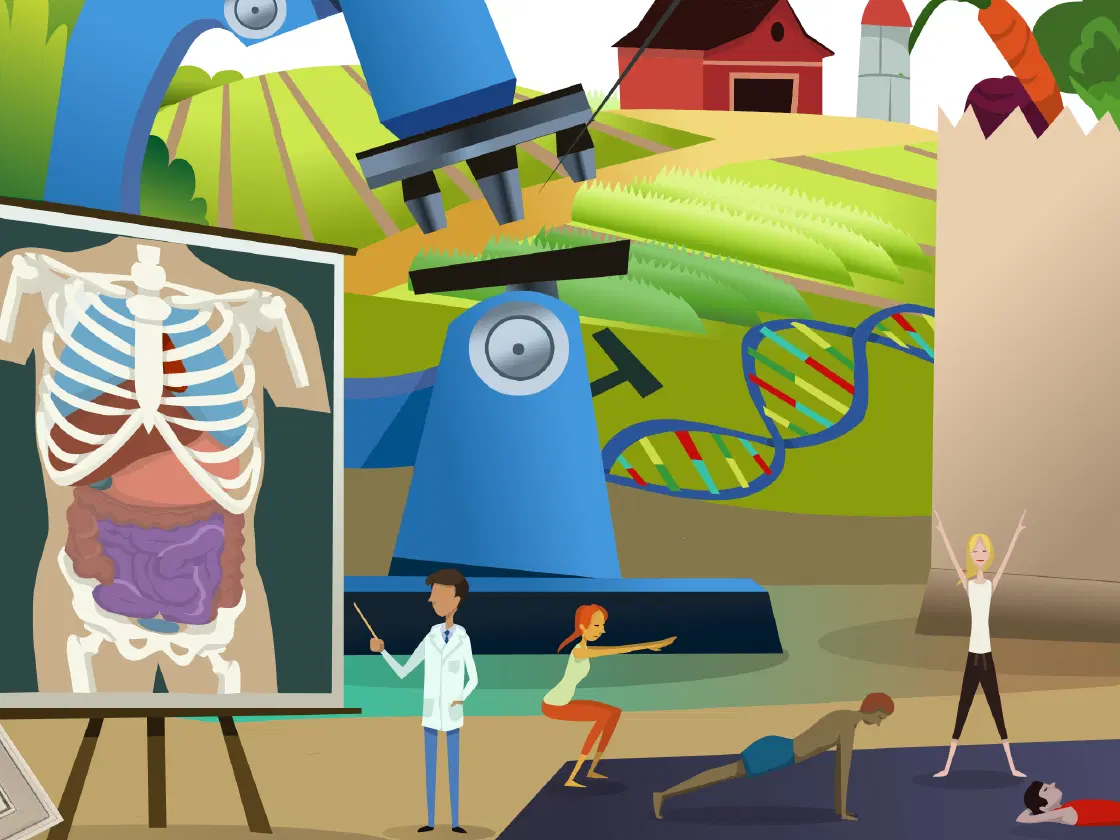
Knowledge Domain 10
Human Body: Building Blocks and Nutrition
Students learn about the human body, including body systems, good nutrition, keys to good health, and the advances in microbiology made by Anton van Leeuwenhoek.
Number of Lessons: 9

Knowledge Domain 11
Immigration
Students explore the idea of e pluribus unum and the importance of immigration in the history of the United States.
Number of Lessons: 10
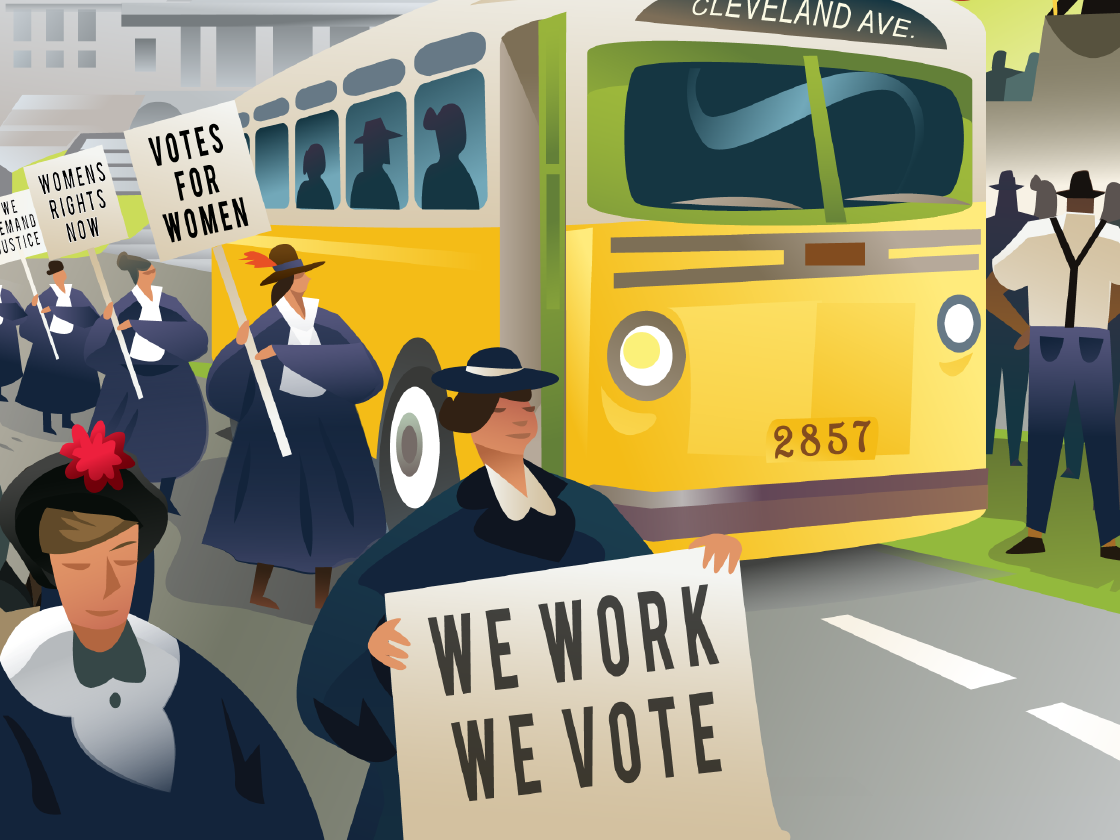
Knowledge Domain 12
Fighting for a Cause
Students explore the connection between ideas and actions, and see how people can do extraordinary things to change the dominant ideas and actions of an entire nation.
Number of Lessons: 9

Skills Unit 1
Sound-spellings with an emphasis on consonant sounds, one- and two-syllable words, and Tricky Words are reviewed. The beginning-of-year assessment is administered.

Skills Unit 2
The unit focus is on various sound-spellings and words with one- and two-syllables. Students begin the writing process, writing narratives and opinions.

Skills Unit 3
Practice with spelling alternatives continues. Grammar focuses on capitalization, quotation marks, ending punctuation, and common and proper nouns. Students write personal narratives.

Skills Unit 4
Students practice a range of spelling alternatives. Students practice persuasive writing as part of a friendly letter. Students learn more about nouns and verbs.

Skills Unit 5
Students practice chunking sounds as they read multisyllabic words. Grammar work includes adjectives, subjects, and predicates. Writing includes rewriting a story ending.

Skills Unit 6
Students review advanced phonics and grammar skills. Students are introduced to expository/report writing. Students take an end-of-year assessment.
Program components
The program includes instructional guidance and student materials for a year of instruction, with lessons and activities that keep students engaged every day.
Component
FORMAT
Knowledge Strand Teacher Guide
Knowledge Strand Teacher Guides contain Amplify CKLA’s cross-curricular read-alouds and application activities, all of which are standards-based to build mastery of content knowledge and literacy skills. There is one Teacher Guide per Knowledge Domain.
Print or digital
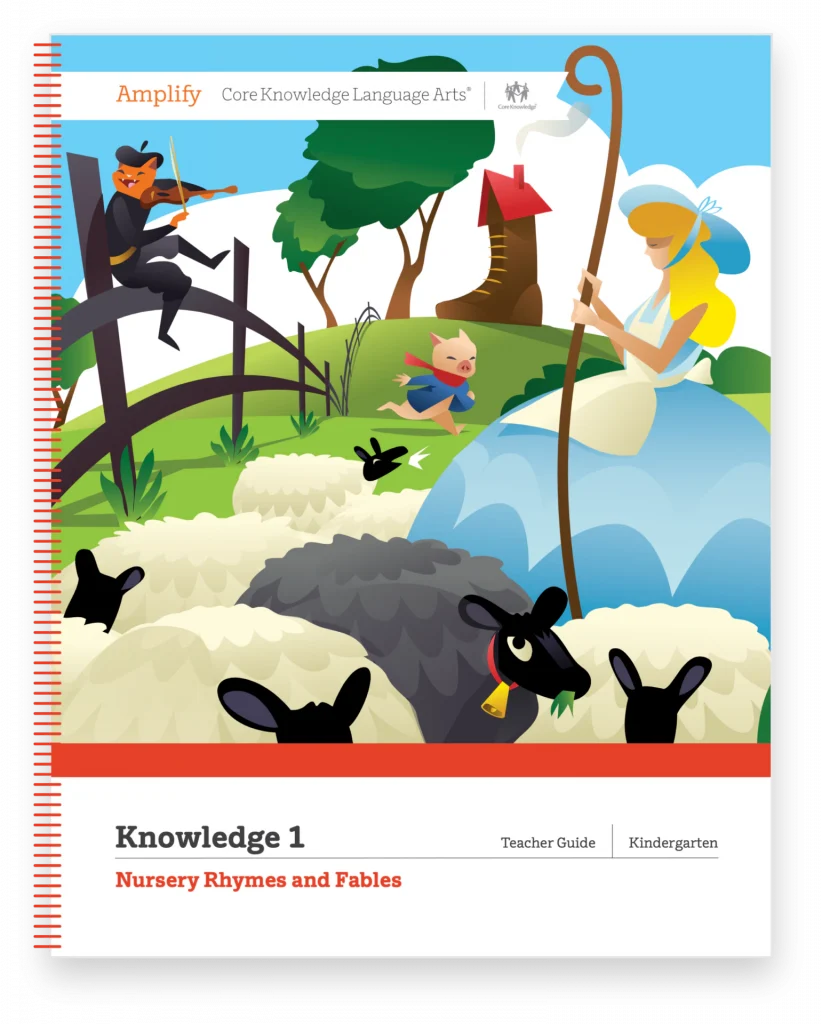
Knowledge classroom materials
Amplify CKLA includes oversized Flip Books and smaller Image Cards that bring each topic to life through vivid visuals.
Print or digital
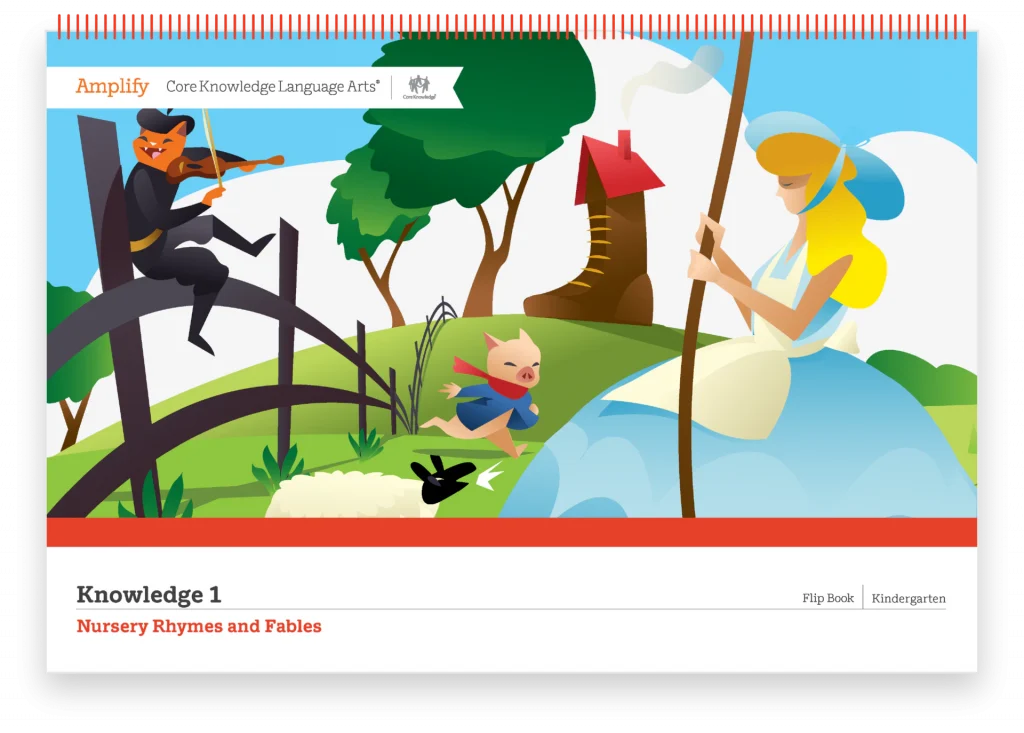
Skills Strand Teacher Guide
Amplify CKLA Skills Strand Teacher Guides include comprehensive research-based instruction in phonological and phonemic awareness, phonics, print concepts, the alphabetic principle, grammar, writing mechanics, comprehension, spelling, and other critical foundational literacy skills.
Print or digital
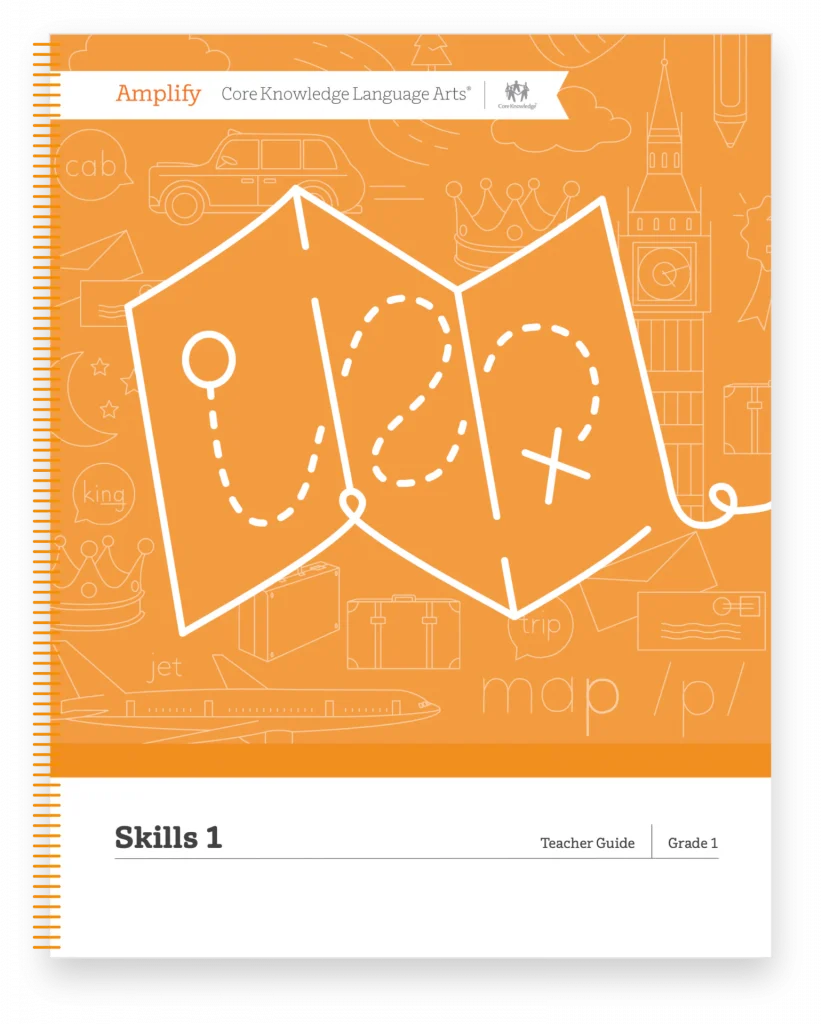
Hands-on Skills ancillaries
Dynamic classroom materials include student Chaining Folders, Small and Large Letter Cards, Spelling Cards, Sound Cards, Big Books, Vowel and Consonant Code Flip Books, Code Charts, and more.
Print or digital
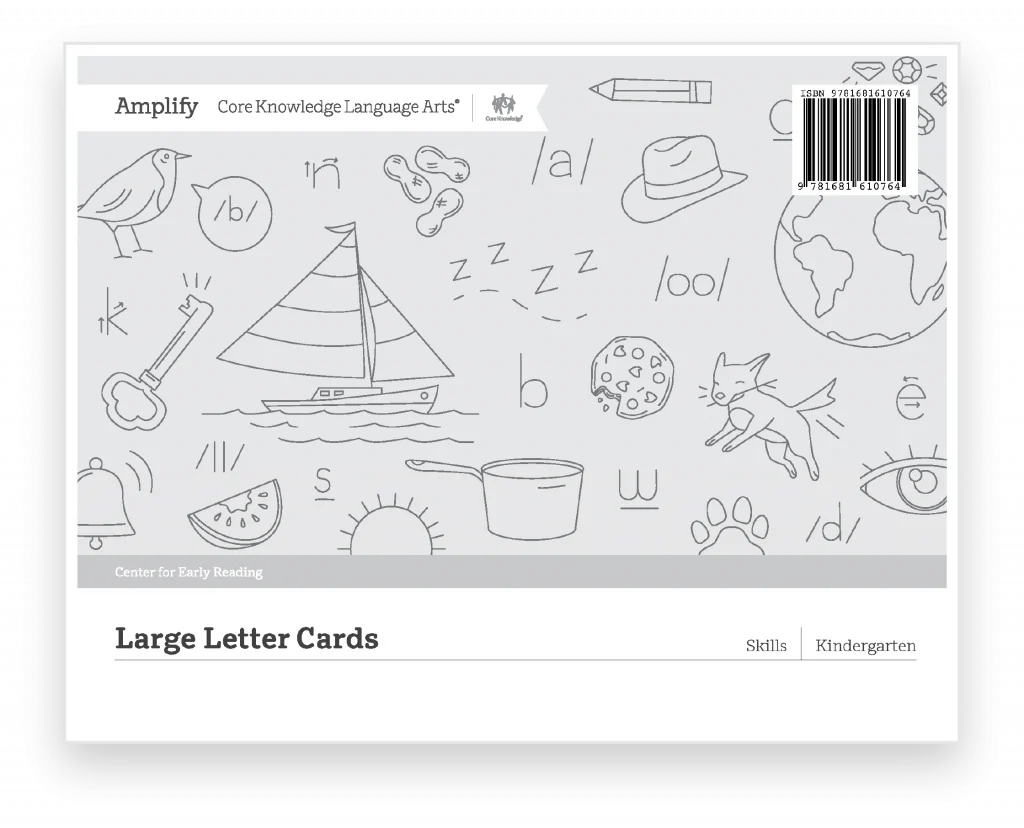
Assessment and Remediation Guide
The unit-by-unit Assessment and Remediation Guide provides thousands of pages of activities for reteaching, differentiation, and additional practice.
Print or digital

Digital experience
The Amplify CKLA digital experience delivers ready-made, customizable, slides-based lesson presentations to enhance instruction and save time. Everything needed to plan and present high-quality, engaging early literacy instruction is in one convenient place.
Digital
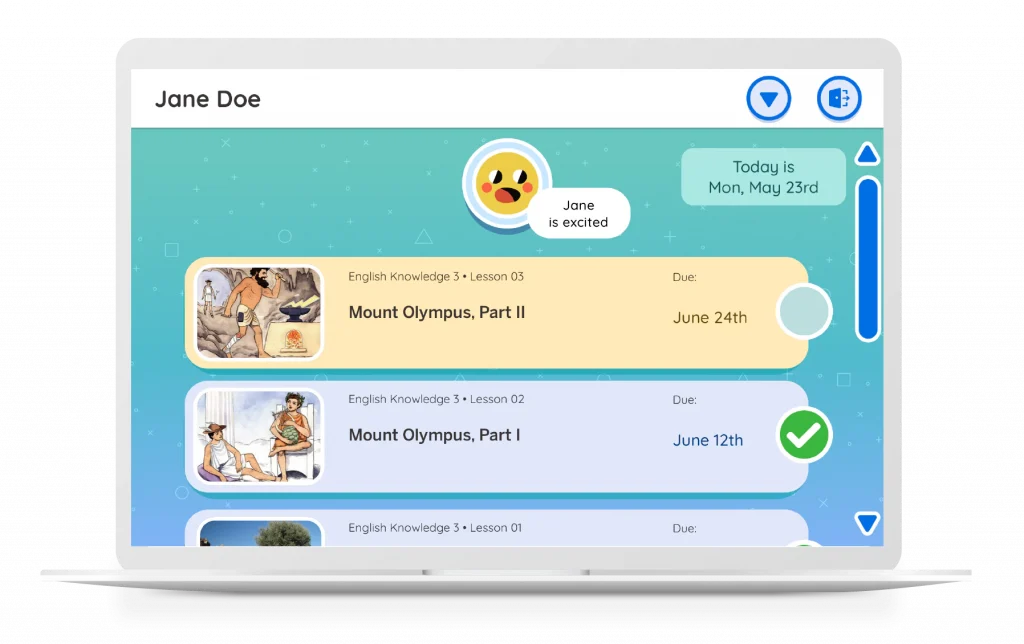
Component
FORMAT
Knowledge Strand Activity Books
Knowledge Strand Activity Books provide students with the opportunity to deepen world and word knowledge by responding to text in a diversity of ways.

Skills Strand Student Reader
Unique decodable Student Readers provide direct practice with just-learned sound-spelling patterns, using compelling stories and characters to integrate phonics and comprehension.
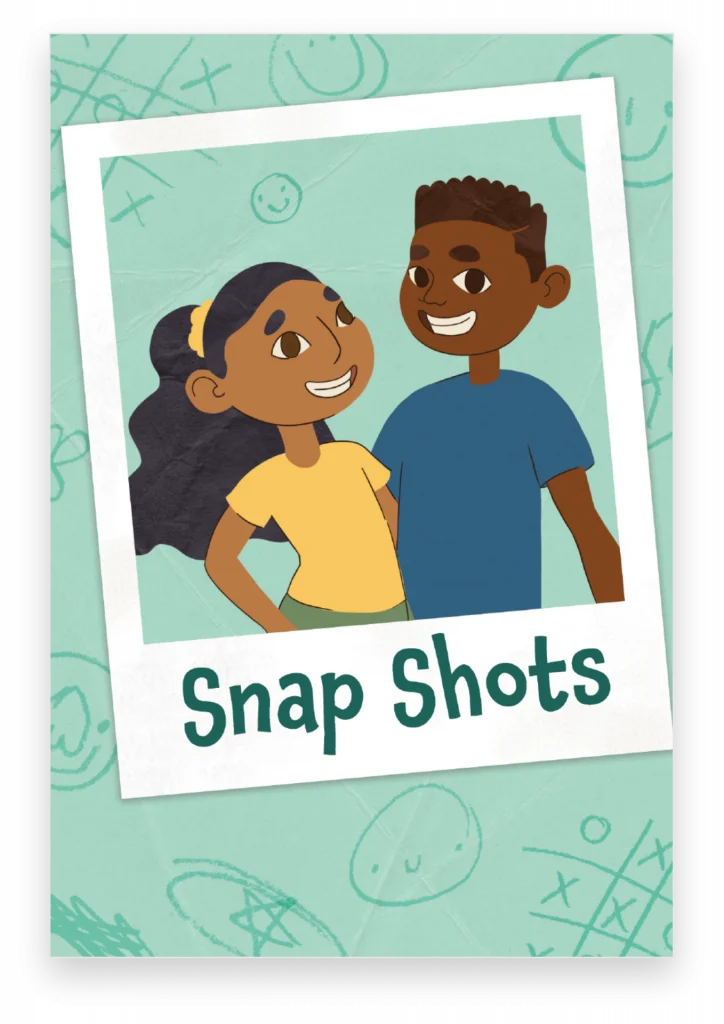
Skills Strand Activity book
Skills Strand Activity Books support the program’s connected approach to reading and writing, providing ample opportunities to respond to text while building core skills.
Digital experience
The Amplify CKLA digital experience delivers ready-made, customizable, slides-based lesson presentations to enhance instruction and save time. Everything needed to plan and present high-quality, engaging early literacy instruction is in one convenient place.
Digital
Explore more programs
Our programs are designed to support and complement one another. Learn more about our related programs.


Amplify Science
Amplify Science is Chicago Public Schools’ recommended K–8 core science instructional material. Looking for support ordering? Contact ScienceCPS@amplify.com or (855) 559-5757.
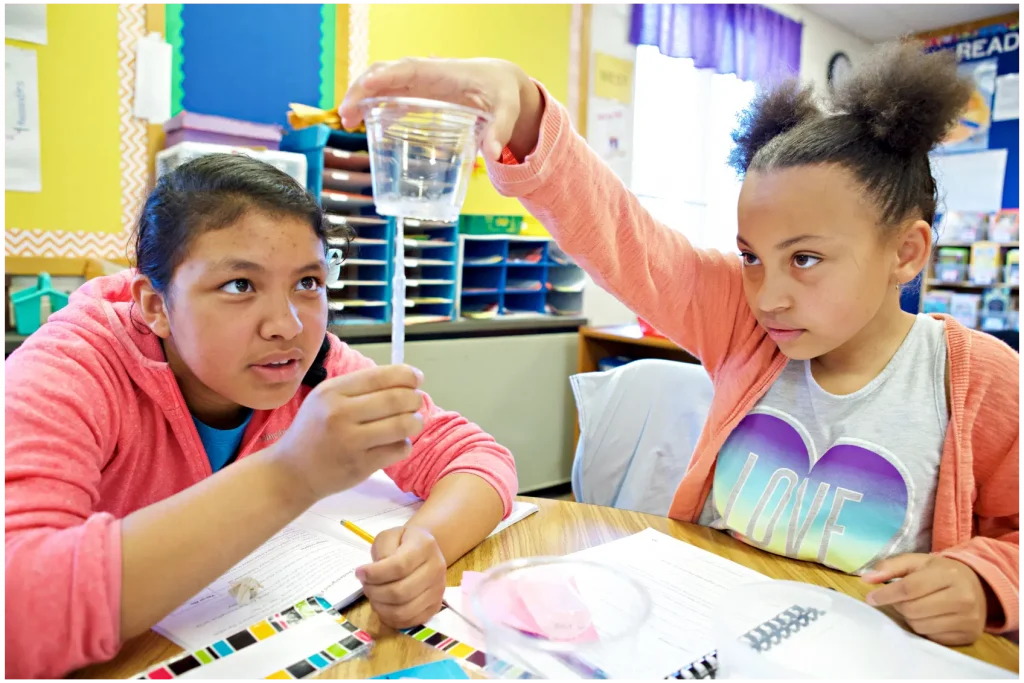
A powerful partnership
Amplify Science was developed by the science education experts at UC Berkeley’s Lawrence Hall of Science and the digital learning team at Amplify.
Learn more about the Lawrence Hall of Science.
Looking for pricing or ordering support? Email scienceCPS@amplify.com or call (855) 559-5757.
What sets Amplify Science apart?
- Authored by the industry-leading science curriculum team at U.C. Berkeley’s Lawrence Hall of Science, who have 50 years of experience in K–12 science education and who will continue to enhance and update the program for years to come
- New curriculum built to meet 100% of the Next Generation Science Standards
- State-of-the-art, highly engaging curriculum that invites students to take on the role of a scientist or engineer in every unit to solve relevant real-world problems
- Flexible, truly blended program that combines comprehensive print components and compelling online content with hands-on learning in every unit
- Robust teacher support for ease of use by a wide range of teachers in diverse classroom contexts, with carefully crafted lessons, standards alignment, differentiation strategies, and ELL supports throughout the program
- Embedded assessments throughout the program, including both formative and summative assessments for every grade level
Grades K–5 overview
Each unit focuses on a specific learning goal in the form of an overarching unit question. Rather than following linear steps in an experiment, the program leaves room for students to make connections across concepts and make their own discoveries. In this way, Amplify Science replicates the realities and ambiguities of scientific research and thinking.
Learn more about the program structure
Download the K–5 unit sequence
NGSS correlations
Hear from K–5 teachers
Amplify Science blends physical materials with a suite of digital tools, presenting students with the resources they need to investigate real-world problems, and empowering and supporting teachers as they lead instruction and gain insight into student growth and progress.
- Student Investigation Notebooks for every unit allow students to interact with content while taking notes, answering questions, and conducting investigations. Review a sample from the Grade 2 Plant and Animal Relationships unit.
- Student Books enhance science topics and allow students to practice reading within the science content area.
- Instructional materials for teachers. The Amplify Science curriculum website hosts all lesson content, media, digital simulations, and more, and is the primary tool “open” for teachers during class time. You can view complete unit samples by accessing the curriculum at the bottom of this page.
- Robust digital simulations (grades 4–5) and digital applications, developed exclusively for the Amplify Science program. Supported devices include: iPad 3+, Chromebook, Windows PC, and MacBook.
- Unit kits for each unit in the program including consumable and nonconsumable hands-on materials, printed classroom display materials, and the students books.
- Embedded formative and summative assessments are meant to support and guide student instruction.
Grades 6–8 overview
Each unit focuses on a specific learning goal in the form of an overarching unit question. Rather than following linear steps in an experiment, the program leaves room for students to make connections across concepts and make their own discoveries. In this way, Amplify Science replicates the realities and ambiguities of scientific research and thinking.
Beginning in school year 2018-19, Chicago Public Schools recommends that schools follow the integrated scope and sequence for middle school science. The decision to shift from discipline-specific to integrated science was informed by a group of 30 CPS middle school science teachers who served on an Advisory Team during school year 2017-18 as well as guidance from other state and national committees with expertise in implementing the Next Generation Science Standards. Amplify’s 6–8 curriculum and CPS’ 2018-19 REACH Performance Tasks align to the integrated scope and sequence.
Learn about the program structure
Download the 6–8 unit sequence
NGSS correlations
Learn about the flexible, blended program
Amplify Science blends physical materials with a suite of digital tools, presenting students with the resources they need to investigate real-world problems, and empowering and supporting teachers as they lead instruction and gain insight into student growth and progress.
- Student Investigation Notebooks for every unit allow students to interact with content while taking notes, answering questions, and conducting investigations. Review a sample from Metabolism.
- Instructional materials for teachers. The Amplify Science curriculum website hosts all lesson content, media, digital simulations, and more, and is the primary tool “open” for teachers during class time. You can view complete unit samples by accessing the curriculum at the bottom of this page.
- Robust digital simulations and digital applications, developed exclusively for the Amplify Science program. Supported devices include: iPad 3+, Chromebook, Windows PC, and MacBook.
- Unit kits for each unit in the program including consumable and nonconsumable hands-on materials, and printed classroom display materials.
- Embedded formative and summative assessments are meant to support and guide student instruction.
Science and literacy
The Amplify Science program capitalizes on the wealth of opportunities provided by science to learn about the world via reading and writing, and on the strong link between science and literacy practices. It is a core science program designed for three-dimensional learning and can also be considered a supplementary literacy program because it addresses the Common Core Standards for English Language Arts (ELA) related to disciplinary literacy.
Through its integration of literacy practices authentic to science, Amplify Science addresses the ELA Anchor Standards as well as the standards for Reading Informational Text, Writing, Listening/Speaking, and Language that are related to acquiring and using academic vocabulary. (Less discipline-specific reading standards, such as the “Reading: Foundational Skills” and “Reading: Literature,” fall outside the purview of the Amplify Science program. Please see each unit’s Overview of Standards and Goals for a list of which Common Core ELA standards are addressed in the program.)
The focus of literacy instruction in Amplify Science is on increasing students’ facility with reading informational text, engaging in scientific discussions, and writing scientific explanations and arguments. The program takes into account the specific needs of young students as they are learning to read, write, and discuss science concepts, but does not take full responsibility for teaching basic skills such as phonemic awareness, phonics, reading fluency, or writing mechanics.
Access and equity
Diversity in the science and engineering classroom is an asset. It offers countless opportunities for creativity and innovation and opens the door to multiple perspectives and cross-cultural understanding. Historically, however, certain groups of students — including ethnically diverse students, English learners, standard English learners, students with disabilities, girls and young women, foster children and youth, and students experiencing poverty — have not had equitable opportunities for intellectually stimulating, language-rich, and culturally relevant science and engineering education. The vision of the new standards is “all standards, all students.” Amplify Science is designed to fulfill this vision by providing quality and supportive materials for teachers so that every student — regardless of their background, where they live, the language they speak at home, or their learning characteristics — has access to and benefits from deep and engaging science and engineering learning opportunities. Two overarching conceptual frameworks informed Amplify Science’s approach to ensuring access and equity for all students: Universal Design for Learning and Culturally and Linguistically Responsive Teaching.
Start your review
Amplify Science is not a textbook. Each lesson in the program consists of a sequence of activities that engage students with a variety of materials, including scientific texts, hands-on materials, digital simulations, engaging media, formative and summative assessments, and so much more. Learn more about the grades K–8 program by reviewing the following pages:
- Reading and literacy integration in K–5
- Assessments in K–5
- Assessments in 6–8
- Hands-on and print materials (“kits”)
- Digital simulations (grades 4–8)
- Supporting ELLs
- Spanish resources K–5
- Spanish resources 6–8
Looking for support ordering?
ScienceCPS@amplify.com
(855) 559-5757
Winter Professional Learning Schedule for Chicago Public Schools
Ready to look inside Amplify Science?
S2-03: Building meaningful student connections in the science classroom

In this episode, Eric Cross sits down with Indiana State Teacher of the Year, Sharita Ware, to talk about how to successfully build meaningful student connections in the science classroom. Sharita shares her journey from a corporate career to becoming Indiana’s 2022 Teacher of the Year, and her passion for creating project-based lessons for her students. Together, Eric and Sharita discuss how educators can teach students to love science content by building strong relationships, adding in other content areas, and supporting students’ imagination. Explore more from Science Connections by visiting our main page.
Sharita Ware (00:00):
I try to create that equal playing field where there’s nobody’s voice, that’s more important than anyone else’s and try to make them all feel that what they have to say is important.
Eric Cross (00:14):
Welcome to science connections. I’m your host Eric. My guest today is Sheta where Sheta is the 2022 Indiana state teacher of the year. And in her 10 year career, as an engineering and technology teacher, she has dedicated herself to helping students build knowledge and skills for high school and life. Beyond. In this episode, we discuss how she inspires her seventh and eighth grade students to build problem solving and critical thinking skills through hands on real world and collaborative projects. She is as humble as she is knowledgeable and through our conversation, it was easy for me to see why her students feel successful under her guidance. And now please enjoy my conversation with Sharita Ware.
Eric Cross (00:59):
Can I start off by saying congratulations on teacher of the year. Thank you for the state of Indiana. Um, that’s amazing. So I, I, I did watch, uh, your videos, uh, short interviews, and then you spoke, was it Purdue? Yes. You were there. And so, uh, to see if fellow seventh grade, eighth grade science teacher out there being celebrated, like I was so excited, so yeah, I wanted to congratulate you on that and, and just kind of talk to you about like your teaching journey and ask you, uh, maybe just kind of start off with your story about what brought you into, into the classroom, especially the middle school.
Sharita Ware (01:29):
Classroom. So what happened is when I was working in industry as an engineer and when my husband and I got married, we decided that I was gonna, um, stay home with the kids because, you know, we wanted, um, our influence to be greater on our kids than, you know, the people that would be watching them, you know, because they would ultimately spend more time with them than they would with us. And, and so, um, I stayed home and when my youngest was going to be going to kindergarten the next year, I was like, okay, what am I going to do? Cuz I really don’t necessarily feel like I need to stay at home. Mm-hmm <affirmative> but um, I knew going back to industry would be a challenge just because in my field, I, I was traveling a lot before I got married and had kids.
Sharita Ware (02:14):
And so I knew that that wouldn’t really be conducive to again, raising children. So I, I get this email, my inbox for Woodrow Wilson, teaching fellowship at Purdue. And they were just looking for people in stem fields to go into teaching. And I was like, okay. And it was a national search, you know, I filled out the application, we had to go in and do some sample teaching mm-hmm <affirmative>. And I was picked as, as one of the, the teachers to go through the program. And I started off thinking I wanted high school. And the really cool thing about this, uh, program is that we had long observation periods at high school and at middle schools. And so we would go to a school and we’d stay there two or three weeks. And so it, it kind of gave you right. A little bit more insight to what happened on a daily basis. And after those observations, I was like, I like middle school better than I, uh, like high school. And so I just kind of went that direction and you know, the rest is history. So
Eric Cross (03:19):
I feel like our stories are similar because I went into teaching thinking I wanted to do high school because I like the maturity and you a little bit more sophistication, advanced things, but yes, middle school, I felt like I can, I could get them more upstream before and kind of help shape mm-hmm <affirmative> that experience for them? Because I feel like at middle school is really where they kind of decide like what they can do based on their experiences.
Sharita Ware (03:39):
I found in the middle school that the kids, I mean, they just, they clamor around you and they’re like, what are we doing today? You know? And they get so excited and, um, they’re, they’re just, I don’t know, I guess in some ways, just more hungry in the sense of like they’re willingness to, um, now sometimes they’re a little reluctant, but you know, their willingness just to try new things. And I think, um, my students really what I have found over the years that they have found a safe space and I hear the kids, you know, say to me so many times that, you know, it it’s safe. I feel, I feel safe in here. And, and it’s not something that in my mind I’m thinking about, oh, I need to make this a safe place. It’s just, I guess part of just who I am as a person has created this environment of, of safety and, and the kids recognize that, you know, I don’t play favorites. You know, everybody starts out mm-hmm, <affirmative> on equal footing. I, I don’t care what your backstory is. I don’t care how many times I see you in the hallway when I’m walking during my prep. You know, when you hit my room, I’m, I’m gonna treat you the same way on day one, that I treat everybody else.
Eric Cross (04:54):
You really understand how to build culture with, in, with your classroom, with your students. And, and you said they feel safe, but is there anything that you do that someone could like apply? And like you found that you’ve gotten a lot of just relational capital through doing these things, or is it just your personality? Like how, how do you build those connections?
Sharita Ware (05:12):
You know, growing up being a, a very quiet person. I, I think a lot of times my voice was ignored because I was the quiet kid in the back of the room. And oftentimes I became seen or heard because of my work, you know, in the beginning it was kind of like, oh, she’s just this quiet girl in the back of the room. And then, you know, the first essay was due or the first project was due. And then it was like, oh, you know, then you’re the person to be on, you know, people’s teams. And, and that, I don’t know, that always kind of bothered me because, you know, I’m thinking just because you’re not the loudest person in the room doesn’t mean that you don’t have something to say, mm-hmm <affirmative>, you just might not be talking all the time. You know? And, and so for my students, I just, I try to create that equal playing field where there’s, nobody’s voice, that’s more important than anyone else’s and try to make them all feel like that what they have to say, or what they have to contribute is, is enough, is good.
Sharita Ware (06:14):
Enough is important as…
Eric Cross (06:16):
It is, as it is. And there’s probably a lot of things that you do. But in addition to building these relationships, what do you do? Like how do you make your learning fun for students?
Sharita Ware (06:25):
I think, um, I’m also a little bit on the silly side. Um, we do a, a Barbie prosthetic leg project, and this was after trial and error of having the kids make full size prosthetic legs. And I try to make it as real world as possible, but with none of the children being amputee or, you know, having access to someone, it was really hard for them to really visualize what needed to happen. Mm-hmm <affirmative>. And so, um, I found this Barbie that had a prosthetic leg and I was like, well, LA, so I just started collecting Barbies and chopping their legs off <laugh>. And so I have this jar of Barbie legs. And so, and I said, you’re gonna make prosthetic legs. And I lay this jar of legs on the counter and the kids are like, like they gasp and then they crack up and then they’re like, okay, this lady’s crazy. So…
Eric Cross (07:22):
That’s when you take off your scarf and there’s this necklace of just Barbie legs that are just around and you’re like, I’m a middle school teacher and they go, oh, okay. I understand. Yeah. Yeah. It’s totally fine. Is this a lesson that someone that you made up or is it something that you’ve re remixed? Is it something that someone could do if they looked it up anywhere?
Sharita Ware (07:38):
Um, so I think teach engineering has the, the full size leg that the kids make. And that’s where I initially got it from.
Eric Cross (07:47):
Is that the website teach engineering?
Sharita Ware (07:49):
Yes. And, um, I, in fact, I get lots of ideals from there. Um, and I, I always usually tweak them, but it’s, it’s one of those things that kind of gets your brain going. And so it was kind of a mixture of, uh, project lead the way gateway to technology and the teach engineering. And I think the project lead the way had us making like braces, uh, for, um, kids with, um, like cerebral palsy or, or something like that. And the kids did okay with that project. Uh, but I wanted to go just a little bit, uh, deeper with it because part of what I was wanting them to do is that context and that connection, that human connection, because for me, it’s not just enough for them to make a project. Uh, before we start this prosthetic leg, I read them a story out of a Scholastic magazine, and it’s a, a teenage girl that lost her leg in a boating accident.
Sharita Ware (08:42):
And she was super active, um, playing sports and running. And, and so I was, you know, trying to get the kids to, you know, make that connection, someone close to their age. Um, and then how it’s not, it’s, it’s more than about her physical healing. It’s also about her mental healing and how she had to, you know, talk to herself to say that she could, you know, recover and, and come back from this and still go on to do all of the things that she was doing before. Um, and in some ways it’s kind of cool because, um, you know, she has a running prosthetic, she has a, a swimming prosthetic, and she has her every day with the pain and toils prosthetic. So just trying to, you know, help them to see that it’s more than just the, you know, the biomedical mechanical engineering aspect of the project.
Sharita Ware (09:30):
And so they have to design for comfort. They have to design for, um, swelling. And then, um, they also can, if they, if they want to, they don’t have to, if they want to, they can create their own backstory. So when they get there, um, we have a day where they are introduced to their client, so they get to meet their Barbie and, and then they get to decide if they want a backstory and, and then do their research based off of that. So if it’s someone that was a runner, then they can design a prosthetic running blade. So just, they have lots of, uh, flexibility.
Eric Cross (10:04):
The, that aspect of adding the narrative. It does so much for like listening to it on the outside. It one, it adds this humanity to, you know, what can sometimes just feel like it may be cold, logical stem. We’re just, we’re just doing things. We’re fixing things. We’re, you know, we’re discovering things, but really the stem has value when we’re actually applying it to, to, to serve humanity or our ecosystem or whatever it is. There was a, a coding, uh, class I was doing with my students and I showed them this app called be my eyes. And it’s for people who are visually impaired and it pairs them with a volunteer. And when they call, and there’s a whole huge pool of volunteers and I’m one of them. And when my, when it happens in class, I answer and it uses the FaceTime. So the person who’s visually impaired is holding up their phone and you see what they see and you tell them and real time what’s happening.
Sharita Ware (10:54):
Oh, wow. That’s so cool.
Eric Cross (10:56):
These are, these were the things I think for students that the story, the, the human part of it, mm-hmm, <affirmative>, it must bring in so many more students into engagement.
Sharita Ware (11:05):
Yeah. I, I feel like it does because I, I think, um, and, you know, along the journey, they kind of lose, um, they lose sight a little bit because, you know, they get out in the lab and they have access to all of these different materials. And I think, you know, truly making it, you know, project based for me is I try not to control the materials too much. Um, I try not to make it so wide that they just get lost, but I try to throw a few curve balls in there, you know, of, of materials that really don’t make sense to use, but they kind of think they make sense to use. Um, because the, the, the meat of it is that the prosthetic leg is a similar size of the original leg and that the, the knee functions. And so I don’t limit, and I grade them off of efficient use of materials.
Sharita Ware (11:59):
So, and that just throws them off because I think, well, how many Popsicle sticks can I use? And I’m like, you can use as many as you like, but remember, this is a prosthetic leg that, um, your Barbie, which is one six scale, um, is going to be wearing all day. So you could think that a Popsicle stick, if you chose to use a Popsicle stick is kind of like dragging around a two by four <laugh>, you know? So do, is that what you really want to use as your material? And some of the kids really think about it and saying, okay, I’m, I’ve got this aluminum rod, okay. This is probably what I would use for my bone structure, because it’s lightweight, but yet it is supportive. And then sometimes they come up with their own ideas in terms of materials, like one student brought in his, um, 3d doodle pin mm-hmm <affirmative> and he made joints and everything with this pin.
Sharita Ware (12:54):
And I’m, and I had delayed buying one, cause I’m like, I, how do you have control over that thing? Mm-hmm <affirmative> he brought that in and he did probably two or three iterations of it and, and got it to work where even the knee where it bit back 90 degrees, but it stopped. He made like, so that it didn’t bend forward. It blows my mind. I’m like so many UN unexpected things have, have happened just from my, um, teaching style. Now I did have, my first few years, I had a, a teaching coach, um, come in and, um, I asked her to come into my room because I just wanted to make sure because I was not a traditional teacher. She said, this classroom is amazing. And, and I think the one thing that she helped me with was, was purpose and consistency and the sense of making sure that with the standards that all of these cool things and ways of being, um, that I was doing in my classroom, that, that I kept it purposeful and intentional. So many times as educators, I know in having student teachers again, ask yourself the question, what is the big picture I want the kids to take away. And once you ask that question, then everything that you have them do will lead to that big picture. Well, it should lead to that big picture.
Eric Cross (14:22):
So it sounds like they’re, you’re starting with this end goal in mind and then kind of backwards planning to get there. Yeah. Do you think you would’ve been the same type of teacher if you would’ve gone straight from college into the classroom? No. And if, if, no, as you’re shaking your head, what do you think it is about? Cause I’ve been asking myself these questions, like just over the years, what is it about coming from industry and going into the classroom? Do you feel like, is how has that impacted you in how you teach?
Sharita Ware (14:45):
Well, I think it’s twofold cuz I was older. I already had three children. I think the combination for me, I think is I was already a mom and I had worked in industry. So the behavior aspect of kids and, and then having that real world experience. And I, I just feel like whether it’s in the classroom, um, marriage, kids, to me, it’s 90% relationship, you know, and the rest will work itself out. That’s, that’s just my, my take on it. But I, I feel like having kids, so some of the behavioral things I kind of was aware of, you know, and just learned many times just not to react to some of the things that they did.
Eric Cross (15:31):
Which is huge. Right. Especially in middle school is controlling your reactions.
Sharita Ware (15:35):
Yes. Cuz that’s what they want. You know? And, and I had this student last year as well. She’s brilliant. And so if she cannot wrap her mind around the purpose of what you’re doing and, and you’re pushing her to do something that she doesn’t think is necessary, mm-hmm <affirmative>, she kind of has these meltdowns. And, and so we just had this, you know, I don’t know, we just came to this understanding and it, and it works to control the meltdowns. I tried to make sure. And, and I used her as a gauge because I knew she wasn’t, she wasn’t getting upset because she didn’t understand. She didn’t understand the why mm-hmm <affirmative>. And so I felt like if she got the why then so would everyone else. So when she, if she was okay with it, then I was like, okay, then I must have explained it well enough.
Sharita Ware (16:25):
And so in my mind that I really need to make sure they understand the, again, going back to that purpose <laugh> and intention, making sure that that is clear. And then I think that’s what gets lost. Sometimes mm-hmm <affirmative> uh, with us as teachers, we, we know where we want the kids to go and we want us to trust the process, you know, just do it because I said so, but sometimes, you know, empowering your children to under to understand the why, because that again is what allows them to be able to do bigger and greater things on their own. So on that next project comes along. They’re starting to tell you, well, first we need to make sure we understand what, um, we’re being asked to do to do. So we have to define the question. We have to make our driving question that will help us stay focused. And, and you’re just standing up there going, okay, now you don’t need me. I’ll go here and sit down. <laugh> so it’s, uh, it is really cool.
Eric Cross (17:28):
Now I’m thinking about my own kids. Like, do my students know the why behind the lesson we did today? It’s one area of growth that I wanna make sure I do this year with my students. And so I really appreciate that. So the, and you just hit on something that is, has been in the forefront of my mind lately and math and English as you know, tend to be prioritized in schools everywhere because it’s what state tested. And it’s what, you know, this is a whole other conversation, but I’ve been talking to math teachers frequently about one of the challenges that they experience or they’ve been telling me is that math is kind of taught. Like it’s just computational, you’re solving these problems, but it’s really separated from any real life application. A lot of times, you know, it’s pizza or gumballs or, or just fictional scenarios and students don’t perform well many times. And some of the reasons why is cuz just no connection. I don’t want to solve puzzles. Like it’s not my jam. Do you have any just inside or, or perspective on how math is, is taught in maybe a way that you think it would students would benefit more?
Sharita Ware (18:32):
You know how kids learn in elementary school, you’ve got this, the same teacher teaching all of the subjects. And so wouldn’t that be an awesome opportunity for you to have like these, these projects where I feel like you could, a class could legit work on the same project for a whole entire year. And so couldn’t the English be writing your persuasive letter to the mayor, asking him to do this or do that. And the process of doing that they’re, they’re, they’re writing with a purpose with a true purpose. Um, and then when they’re doing math, you know, they want, they want a new neighborhood park. So, you know, well how much is this gonna cost? Well, math, what size is it gonna be math? Let’s see what it looks like, art, you know, you just, you have all of this things. And then of course then science.
Sharita Ware (19:32):
So if it’s on a heel, how can we, you know, deal with erosion? And you know, you can just pull so many different things into that. And so not only are they learning, but they’re narrowed in and focused on a project, they’re, they’re able to dive deep into, you know, learning more of learning, how to express themselves and communicate with real people. So it’s more of taking these compartmentalized learning that we do in middle school and high school. Mm-hmm, <affirmative> where you’re almost learning apprenticeship style. Mm-hmm <affirmative>, you know, you have these master educators and it’s not about them being the best at math or being the best at this or that. Cuz there’s so many tools now that could help you through that. But you’re, you’re giving, you’re teaching them so many life skills and so many ways to think and problem solve that, that we’re just that the kids just don’t have.
Eric Cross (20:27):
I think that that is amazing. And I think that in that situation, what I’m hearing is we’re going deeper, not wider because there are a lot of different concepts that kids are expected to learn. Or I should say there are several concepts that teachers are expected to teach doesn’t necessarily mean that our kids are learning, but we’re teaching them. And this way you’re embedded it into an authentic context. Students are able to go through this cycle just like real life. And then they’re also able to build these kind of really transdisciplinary skills. Not only am I learning the math, the English, the the, but I’m also learning the interpersonal skills of being able to sell myself and present myself in a way that’s winsome. And it’s especially powerful coming from someone from industry. Last question, even just listening to you, I know you, you are this for a lot of people, but I wanted to ask you who inspires you?
Sharita Ware (21:14):
I think there have been lots of people over the years. Like I’m thinking of my shop teacher who has since, uh, the last few years passed away. Um, he was one of those people, I think similar personality to me, super quiet person, but he was always in the background on my journey and his name was Joe Mo and we called her Madam Carol was my 10th grade English lit teacher. And she was the one that started reading my work out in front of the class. And you know, and that just gave me courage, not so much to be seen. Uh, but that the work I was doing was, was good. And, and I think I needed that kind of encouragement. Lastly, my students inspire me because when I look at their faces and see the excitement, I think of those students for the first time and, and, and think about this seventh and eighth graders for the first time feeling like they really have something to say, they really have something to contribute of value. And, and I do it for them. You know, the reason why I am here in this moment is because of them. Um, without them, you wouldn’t be talking to me <laugh>
Eric Cross (22:37):
This is, this is true. This is, this is true. You would probably never say this about yourself, but you just exude a humility and a service in how you talk about your students and yourself. And I just wanna thank you for using your gifts, but I don’t wanna just call them gifts because it makes it sound like you didn’t earn ’em and your skills that you’ve earned and worked very hard to acquire over the years to go back into the classroom and leave industry, cuz you, you could have gone back to industry too, but you decided not to. And you could have worked in the industry and your hours were a little different pay is a little different, but you came back to serve the kids of Indiana and because of you and because of that choice, those students have a brighter future and believe in themselves and they’re finding their voice. And I want to thank you for that and for representing all of us stem teachers who are in middle school and being that leader. So thank you for that and thank you for being on the podcast.
Sharita Ware (23:24):
You’re welcome. Thank you for having me.
Eric Cross (23:28):
Thank so much for listening. Now we wanna hear more about you in the amazing work you’re doing for students. Do you have any educators who inspire you? You can nominate them as a future guest on science connections by emailing stem, amplifycom.wpengine.com. That’s ST E M amplifycom.wpengine.com. Make sure to click, subscribe wherever you listen to podcasts and join our Facebook group science connections, the community until next time.
Stay connected!
Join our community and get new episodes every other Wednesday!
We’ll also share new and exciting free resources for your classroom every month!


Meet the guest
Sharita Ware, a Purdue University graduate, is in her 10th year of teaching engineering and technology education to middle school students in the Tippecanoe School Corporation. Ware challenges her students with real-world, problem-based design scenarios that will help them contribute to global technology and integrated STEM. Follow her on Twitter and Instagram.

About Science Connections
Welcome to Science Connections! Science is changing before our eyes, now more than ever. So…how do we help kids figure that out? We will bring on educators, scientists, and more to discuss the importance of high-quality science instruction. In this episode, hear from our host Eric Cross about his work engaging students as a K-8 science teacher. Listen here!
You might also like:


Amplify raises $215 million in a growth funding round from Learn Capital, A-Street Ventures, and current investor Emerson Collective
(Brooklyn, NY – October 26, 2021) Amplify, a publisher of next-generation curriculum and assessment programs, announced today it has raised $215 million in a growth funding round with Learn Capital and A-Street Ventures, joining current investor Emerson Collective in this round. The funding will accelerate Amplify’s remarkable growth in providing students and teachers with high-quality, digital-forward instructional programs and helping districts address unfinished learning from the pandemic. Rob Hutter from Learn Capital and Marc Sternberg from A-Street Ventures have joined the company’s board, currently made up of Emerson Collective Managing Director and XQ Institute CEO Russlynn Ali, Amplify CEO Larry Berger, Monarch Global Strategies President and CEO Michael Camuñez, Emerson Collective Managing Director Brad Powell, and former Secretary of Education Margaret Spellings.
Amplify currently reaches more than 10 million students in 4,000 districts across all 50 states, with a growing international presence. All three of Amplify’s existing core programs have garnered top ratings on third-party curriculum evaluation site EdReports.org, resulting in strong demand across the country, including in California, where Amplify Science was the lead publisher and won approximately 35 percent of the market in the most recent adoption. Digital supplemental program Amplify Reading also continues to gain traction, as does Amplify’s gold-standard early reading assessment, mCLASS®, which was recently selected as the K–3 formative and diagnostic assessment for North Carolina’s Read to Achieve program. By meeting the demand for research-based, technology-enabled programs, Amplify’s bookings have grown by 50 percent year-over-year for the last four years (2017-2020).
“Our educators and our students have been hit hard by the events of the last two years, which have only exacerbated existing gaps in reading and math skills. Amplify is working to provide the best resources possible to schools and districts while they work to recover and support all students in achieving at high levels,” said board member and former secretary of education Margaret Spellings. “We are deeply grateful for our new partners, their K–12 expertise, and their ongoing commitment to investing in the high-quality, digital-forward learning our students need now and in the future.”
Amplify plans to use the funds to make strategic acquisitions in best-of-breed education companies and to accelerate product development across its portfolio, with a focus on its digital supplemental programs.
“Amplify has experienced remarkable growth for six years in a row, is profitable, and is earning the trust of teachers and students. This moment is urgent for accelerating our ability to serve the needs of schools and districts. The magnitude of learning loss and the range of hybrid models for delivering instruction call for the kinds of products that Amplify builds,” said Larry Berger, chief executive officer of Amplify. “As impact-oriented investors, Emerson, Learn Capital, and A-Street Ventures raised a significant round in order to help us address these urgent needs by being a rapid reaction partner for districts across the country.”
Learn Capital, based in Silicon Valley, is one of the world’s leading venture capital funds with a dedicated focus on education technology and companies that leverage technology for better and smarter learning worldwide.
“We focus on finding the most extraordinary teams working in education, and Amplify is a natural fit,” said Rob Hutter, head of Learn Capital. “Amplify stands at the center of a profound shift in K–12 curriculum delivery that pairs an acceleration of digital learning with an unprecedented emphasis on quality in core instructional materials design. Amplify is uniquely positioned to benefit from both of these trends, and we’re thrilled to have this opportunity to participate in the company’s journey. ”
A-Street Ventures is a privately sponsored investment fund with a strategic focus on seeding and scaling innovative K–12 student learning and achievement solutions for students, families, and schools with a current focus on digital-first instructional materials in curriculum and new paradigms for student assessment.
“At A-Street, we believe education can serve as a powerful engine of mobility, and now is the time for big leaps forward in transforming how students learn and how teachers teach,” said Marc Sternberg, Founder and Managing Director of A-Street Ventures. “That’s why we are excited to partner with Amplify, a company that is lifting up the quality of daily instruction and leaning into digital-forward tools to accelerate learning.”
“We could not be happier to have Rob Hutter and Marc Sternberg join the team,” said Brad Powell, board member and managing director of Emerson Collective. “Rob and Marc each bring deep knowledge about K–12 education and share a long-term, impact-oriented vision to investment in this industry. They, along with their firms, will bring important new expertise to our governance, our network, and our brain trust. We are grateful to have such strong partners supporting Amplify’s future growth.”
About Amplify
A pioneer in K–12 education since 2000, Amplify is leading the way in next-generation curriculum and assessment. Our captivating core and supplemental programs in ELA, math, and science engage all students in rigorous learning and inspire them to think deeply, creatively, and for themselves. Our formative assessment products turn data into practical instructional support to help all students build a strong foundation in early reading and math. All of our programs provide teachers with powerful tools that help them understand and respond to the needs of every student. Today, Amplify reaches more than ten million students in all 50 states. To learn more, visit https://amplify.com.
About Emerson Collective
Emerson Collective deploys a wide range of tools—from impact investing to philanthropy to advocacy—in pursuit of a more equal and just America. Emerson focuses on creating systemic change in education, immigration, climate, and cancer research and treatment. To learn more, visit https://www.emersoncollective.com.
About Learn Capital
Learn Capital, based in Silicon Valley, is one of the world’s leading venture capital funds with a dedicated focus on education technology and companies that leverage technology for better and smarter learning worldwide. Since 2009, Learn Capital has backed extraordinary teams building market transforming services for every age and stage of learning, on nearly every continent. The company’s practice spans seed, early stage and emerging growth companies that are committed to the improvement of individual and societal capacities at scale, propelling the generation of inclusive prosperity worldwide. For more information and to view the fund’s portfolio, please visit http://www.learncapital.com.
About A-Street Ventures
A-Street Ventures is a privately sponsored investment fund with a strategic focus on seeding and scaling innovative K- 12 student learning and achievement solutions for students, families, and schools. A-Street intends to invest in a mix of early-, growth- and late-stage ventures, with a current focus on digital-first instructional materials in curriculum and new paradigms for student assessment. A-Street was founded because the time is now for big leaps forward in how students learn, and for what teaching and learning can look like; for lifting up the teaching profession by reorienting the teacher to his or her most sacred task: the human-centered work of facilitating learning; for leveraging digital-forward tools to accelerate learning; and for leaning into the surging digital access, breakthrough, and platforms that can transform at long last the Industrial Age classroom and into the modern hub of learning. For additional information about A-Street Ventures, please visit https://www.astreet.ventures and on Twitter @astreetventures.
Contact:
Kay Moffett
Chief Marketing Officer
kmoffett@amplify.com
S5-01. Investigating math anxiety in the classroom
Season 5 is here! This season, we’ll be talking all about math anxiety: what it is, what causes it, and what we can do to prevent or ease this anxiety in the math classroom. To launch this very important theme, we sat down with Dr. Gerardo Ramirez, associate professor of educational psychology at Ball State University.
As someone who’s been studying math anxiety for more than a decade, he had some interesting research and advice to share on why math anxiety affects so many students (and adults), and tips for how to start reducing it.
Listen now and don’t forget to grab your MTL study guide to track your learning and make the most of this episode!
Enjoy this episode and explore more from Math Teacher Lounge by visiting our main page.
Dan Meyer (00:01):
Hey, folks. Welcome back to Math Teacher Lounge. I’m one of your hosts, Dan Meyer.
Bethany Lockhart Johnson (00:05):
And I am your other host. I’m Bethany Lockhart Johnson. Season five! Hello!
Dan Meyer (00:11):
Bethany, how are you doing? How have you been spending the long break between our recording sessions?
Bethany Lockhart Johnson (00:16):
As much as I loved sharing content from previous seasons, I am so thrilled that we’re back for season five. I have been, you know, chasing a toddler. I think he’s already tired of me saying, “Ooh, can we count that?” He’s like [sighs] “One two, one two.” Like, he’s done already.
Dan Meyer (00:36):
Too much counting. Yeah, I worry about that so much, that my love of mathematics might be perceived by my kids as smothering. Yeah, I worry about the same. We shared with you folks some bangers of reruns, in my humble opinion. Some great guests. But, we’ve been excited—me and Bethany—to hop back on the mics, on the ones and twos, and explore some new ideas together.
Bethany Lockhart Johnson (01:01):
Well, I loved our season talking about joy in mathematics. And personally I could…like, we could turn this whole podcast into joy in mathematics. However, we’re kind of going a different route. Because if you ask folks why they don’t feel joy in mathematics, a lot of times at the root of that is some really intense math anxiety. So this whole season, we’re going to be delving into math anxiety. Exploring what it is, who has it, why do we think it happens, what do we think we can do about it, and how can we navigate through it, so that we can experience that joy in math? These are questions that we’re gonna explore over the course of the season. Dan Meyer, how do you feel about that?
Dan Meyer (01:49):
It feels big and it feels personal. I mean, as we shared in our math stories back from season…whatever it was, math anxiety was a huge part.
Bethany Lockhart Johnson (01:59):
It was last season, Dan.
Dan Meyer (02:00):
Last…? I mean, who can remember? Big part of your journey. I’ve had some very punctuated but intense moments of anxiety in math class. And socially, we have built math up to be this incredibly powerful thing. You know, restricting movement on economic ladders, preventing people from getting into careers they want. Whether or not they have much to do with math class, math anxiety is a really large part of educational but also social life. And yeah, I’m really excited to explore it with you. We’re bringing on some really excellent guests. Some researchers, yes. But not just researchers! Also people who practice in the field and know firsthand what it looks like to resolve issues of anxiety with students.
Bethany Lockhart Johnson (02:45):
Yeah, you’re right, Dan. My math story contained quite a bit of math anxiety, so I am particularly invested in this season. I mean, I still navigate math anxiety. And, you know, many of us do, and let’s talk about it. And let’s—I love that you reminded me. We’re gonna have a lot of great researchers all throughout the season, and a lot of times folks feel like the research happening, there’s sometimes a gap between researchers and what’s actually happening in the classroom. Not in all cases, but a lot of times. Right? And I remember a lot of conversation about the latest research when I was in grad school, but unless you’re actively studying something, sometimes we don’t know what’s happening. Right? We’re really focused on what’s happening right in front of us in our classroom. So let’s take some of that research; let’s break it down; let’s talk to some of the folks who are thinking about this for the bulk of their day, right?
Dan Meyer (03:41):
Yep. So we got our first guest coming up in a moment here.
Bethany Lockhart Johnson (03:45):
So to kick off this season, we’re starting episode one by talking to Dr. Gerardo Ramirez, Associate Professor of Educational Psychology at Ball State University. And he’s been researching math anxiety for more than a decade. He’s worked with so many amazing folks in the field. He’s worked with students, he’s worked with teachers, with educators…I’m just so excited to talk to him. If you look up math anxiety, you see his name as one of the folks who is really thinking about this at so many different angles, and we get to talk to him. So enjoy our conversation with Dr. Gerardo Ramirez.
Dan Meyer (04:29):
We are so excited to have Dr. Gerardo Ramirez on the show with us. Dr. Ramirez is an Associate Professor of Educational Psychology at Ball State University. Thanks so much for joining us.
Dr. Gerardo Ramirez (04:40):
Yeah, thank you for inviting me to talk about math anxiety.
Bethany Lockhart Johnson (04:43):
So with your interview, Dr. Ramirez, we are actually launching the season. We’re gonna be talking about all different aspects of math anxiety, and it feels pretty perfect that you are first guest of the season, because of the sheer breadth of research and conversations you’ve had about math anxiety. Could you start us off kind of telling us a story of how did you get interested in studying math anxiety? Or why, you know, why did you dive into this topic that, you know, I think a lot of folks might…like, if you’re on a plane, and you say, “Oh, I study math anxiety,” what kind of reaction are you gonna get?
Dr. Gerardo Ramirez (05:24):
Oh, sure. Yeah. I think most people are actually very interested because they all have their own story about feeling anxious about math, or just being anxious about evaluation situations that involve math. And, yeah, they wanna share those stories. People feel quite comfortable talking about their anxiety about math, for some reason. But for me, I started off, when I was in undergrad, I was studying to take the GRE quiz. I was hoping to go into a psych program. But I wasn’t exactly sure what direction yet. As I took some of the practice tests, there’s some situations in which I was very nervous about taking the practice test. And I just noticed that I did really poorly on some of these exams. And so I became very interested in issues like choking under pressure, which means when you underperform relative to what you expected to perform. And so, as I was researching these issues, I started to come across this whole field of math anxiety. And I saw that while there are some people who choke under pressure during tests, there are other people who just have a strong general fear of mathematics.
Dan Meyer (06:29):
That’s really helpful. I can imagine you’re doing a lot of free psychology sessions, free therapy for people on airplanes when they bring to you their own stories of math. So let’s thank you for your service in that sense. I’m super-curious. So Bethany and I have both taught math. We both have seen firsthand what it looks like when a student is anxious in math class, though maybe we don’t have kind of the clinical language to describe it. And I’m curious, from a clinical sense, how do we define math anxiety?
Dr. Gerardo Ramirez (06:57):
Sure. So first off, math anxiety is not something that you would find in the DSM, for instance. But we generally define that as a fear or apprehension to situations that involve math. So it doesn’t have to necessarily be educational situations. It could be someone asks you a math-related question during a party, or you have to calculate the tip at a restaurant, for instance. It doesn’t have to be about schooling situations, although that’s obviously where it seems to matter a lot for many people. So it is basically a fear or apprehension to situations that involve math. And I think distinguishing the term “fear” from “anxiety” is really important here. A lot of times people use those terms interchangeably, and the term “fear” is obviously within our definition of math anxiety. But oftentimes what differentiates anxiety from fear is that, anxiety is—think of it like a recipe. Anxiety is fear plus a little bit of unknown. OK? So if, for instance, if you hated snakes, and they threw a snake at you, you’d be in intense fear. Whereas if you hated snakes and they said, “There is a snake in the room, but I’m not gonna tell you where,” that’s gonna cause anxiety. And so the reason why we call it math anxiety is because a lot of times people experience this fear for a possible unknown future that involves math or possible unknown evaluations that people might have about your competence, because of math. And so for a lot of kids, they feel anxious about how they’re gonna do on a test or whether they’re gonna be able to pass a class or whether they’ll be able to understand what you’re saying in your lessons, for instance. And so the anxiety component really gets at fear of something that’s unknown, but related to mathematics situations.
Dan Meyer (08:47):
Math is somewhere in the ceiling right now. Perhaps I might be surprised with a math situation!
Dr. Gerardo Ramirez (08:52):
Yeah. yep.
Dan Meyer (08:52):
So I have this tendency to assume that every other subject that we teach has it better and easier than math does. It’s not true. I know this is not true. But I’m kind of curious here. Is math anxiety, like, part of a general just set of anxiety around schooling itself? Like, is there a reading anxiety, a writing anxiety, and does that all just flow from the same kind of fount of anxiety around schooling or situations about learning? And what makes math special in this regard? If it is its own special anxiety, for instance?
Dr. Gerardo Ramirez (09:27):
There are different…so some people obviously suffer from generalized anxiety. Right? And so they would, you know, feel anxious both for evaluative and non-evaluative situations. But in the research that we’ve done and that other people have done, there are differences between things like reading anxiety, math anxiety; I’ve also studied spatial and creativity anxiety. A lot of times what we’re trying to do in these studies is we measure all of the above, and we try to show that, look, math anxiety predicts math situations above and beyond these other things. So yeah, we definitely distinguish those things. And so what’s special about math is that, well, I think the symbolic nature is a big part of it. The abstract symbolic nature is just not as tangible to students. They can’t touch it. And so it doesn’t allow ’em to use their full cognitive faculties to play with it, as you might see, for instance, in science. Or it doesn’t allow people to relate math to their own interests the way you might see, for instance, in English. So maybe I hate reading novels, but I’m interested in zombies and you give me a book on zombies, well, ok, great, you’ve connected my personal assets to the topic. Whereas with math, either that’s harder to do or instructors don’t do such a good job of setting that connection up.
Bethany Lockhart Johnson (10:46):
Also, I think, you know, I’ve heard of students being really anxious, let’s say, during a reading session, when teachers used to do—hopefully they’re still not doing it—the popcorn reading, where you just randomly call on a student to read out a sentence. Right? But you don’t really hear students or adults talking about, “Oh, no, no, no, I don’t read; I don’t mess with reading.” You know? Whereas with math, you do hear, “Oh, I’m not a math person. Oh no, no, no, don’t ask me any math questions.” And that is such a distinction.
Dr. Gerardo Ramirez (11:18):
Yeah. And I think a lot of that’s because it’s just so common. As an adult, to be nervous about reading is kind of an uncommon thing. So people feel a stigma around admitting that. But math is something that everyone feels like they’re inadequate in. And so there’s a lot of comfort in telling you how they’re just one of the many people who don’t like math. And that, you know, can have a lot of different consequences and outcomes. I think on the one hand, I think for a lot of kids it becomes a normalized message that if you fear math, that’s OK, join the club. Right? But we have to be careful about that, ’cause a lot of math anxiety researchers will oftentimes say, part of what leads to math anxiety is adults normalizing that it’s OK to be scared of math. So I think a lot of times adults, teachers, for instance, math teachers, they’ll tell kids, “You know, if you’re scared, that’s OK.” And so a lot of the math anxiety community says, “No, no, no, you’re not supposed to do that.” But my recent view is different. I view that as a form of validation. Because math is hard. And so telling kids, “Hey, look, it’s actually easy if you just try,” I don’t think that’s true. It’s actually just hard. And I think even if it was easy, to the kid, it feels hard! And I think something that’s not really well-studied right now in our field is the value of validating people’s math negative math experiences. We don’t want to validate that, ’cause we think that we’re gonna reinforce that. But actually, I think the opposite. I think when you validate people’s negative math experiences, it helps ’em to feel that they can handle it. They can start to take control over their own emotions.
Bethany Lockhart Johnson (12:52):
I love that. And I, I actually, I think that’s so powerful, what you’re talking about, that validation. I taught kindergarten, and I vividly remember being in a parent-teacher conference and that parent saying, “Oh, I wasn’t a math person either,” right? Or, you know, their language and their experience with their own math schooling, their anxiety about math was actually impacting their students’ experience of math. Or the conversation that, when I would go to talk about a math assessment, let’s say, you could see the parent actually tensing up. And there was this moment of validation, that I felt like we needed to make space for that in the conversation with the parents, right?
Dr. Gerardo Ramirez (13:38):
Yeah.
Bethany Lockhart Johnson (13:38):
Like, this is a real thing. And we are working on teaching students that math is something that gets to—your experience with math gets to look all sorts of different ways. And it’s OK if we, you know, make a mistake, or if we kind of only get this part, but we’ve really got that part. Or let’s talk about it; let’s write about it. So I really feel like that that validation is something that’s so missing. And instead of the validation, like you said, you see folks being like, “Oh yeah, me neither. I’m not a math person either.” Right?
Dr. Gerardo Ramirez (14:10):
Yeah. I think…part of the reason why people are comfortable sharing this because they’re looking for validation also. When they say, “Oh, I’m not a math person,” you know, I think they’re hoping that, you’ll say like, “Yeah, me neither,” or “Of course not, ’cause math is terrible.” Right? They’re looking for validation, not to reinforce their perspective, but to feel that it’s OK not to be a math person. And I think that’s one of the techniques that I’m trying to work on in my research right now, is to provide evidence that actually people will work harder when you validate their math experience. You don’t have to tell them a positive story per se. If your current story is “Math is hard and I’m very, very anxious; I’m scared,” then we can just validate that and help you work through that. And it actually will strengthen our relationships. Because if you’re a student and you’re struggling with math and I tell you, “Yeah, it’s hard; it’s OK to struggle with math,” that makes you feel seen. And that’s gonna lead you to want to ask me more for help, because I’m someone who understands you. And that’s a great, you know, remediation opportunity.
Dan Meyer (15:14):
A common thread that I think I’m seeing here in several answers is that math sometimes asks students to disassociate part of themselves. Where success in math oftentimes means working from an a level of abstraction with symbols, like you said, that can feel alien. Like, who am I here? And in the same way, I love that you’re proposing we validate and reassociate people with a very deeply felt part of themselves that is anxious about mathematics.
Dr. Gerardo Ramirez (15:44):
Yeah. I mean, I think that’s what validation’s supposed to do, right? So a lot of us, when we feel these strong emotions, we wonder, “Is this even a real thing? Are other people feeling this? Is there something wrong with me?” So we feel the emotions, but we can’t actually deal with them, because we wonder if they’re legitimate. And so when someone says, like, “Yeah, this is hard,” it crystallizes that emotion. And once something is made real, you can actually choose how you want to deal with it. Some kids are gonna deal with it by staying anxious. But some people are gonna choose to deal with it by saying, “Well, there’s nothing I can do about it now; I have to take this math test, so I’m just gonna think positive.” And that’s great. If the kid can end up saying that to themselves, that’s much more effective than me telling the kid, “Hey, you just gotta think positive. You’re gonna start the test anyway.” And so we want the kid to make meaning of their experience, and the way we do that is by crystallizing their emotions through validation.
Dan Meyer (16:36):
Yeah. I love that. And so what you’re proposing there, I think, sounds like, a solution, like a post-talk solution after students are feeling anxiety.
Dr. Gerardo Ramirez (16:43):
Yes.
Dan Meyer (16:43):
To validate and empathize.
Dr. Gerardo Ramirez (16:45):
Yes.
Dan Meyer (16:45):
And over the course of our season, we hope to explore a lot about solutions to math anxiety that are preventative, that reduce the odds of anxiety arising, through instruction and curriculum, before it arises. And I’m just wondering if you’ve seen anything that would hint at either specific or general words of wisdom you wanna share with the educators, about not just addressing it after the fact, but preventing math anxiety before it arises?
Dr. Gerardo Ramirez (17:14):
To be honest, at this point, I haven’t seen enough evidence for me to recommend anything concretely as an intervention for math anxiety, or an intervention to prevent its development. All I can really do here is rely a lot on the more broad cognitive-behavioral research on anxiety, which says that one of the ways we prevent people from developing anxiety is by helping them to make more positive appraisals of challenge situations. So a lot of times, when kids are challenged, they don’t know how to interpret that. “What does it mean that I’m struggling with this thing?” And so that’s where I think a lot of teachers can help students’ interpretations of that. ‘Cause if you leave kids to their own devices, they’re gonna think, “I’m struggling because I’m stupid. I’m struggling because I’m not good enough. I’m struggling because my dad is right; I’m gonna be a failure.” You know? They’re going to impose an interpretation to a challenge situation regardless. And so, as teachers, one thing we can do is we can help shape that interpretation and say, “What does it mean to struggle with math? People will say it means you’re stupid. That’s one interpretation. What’s another one? It means that your brain is working really hard to think through something. That’s another interpretation. What’s better? What do you think is more helpful?” And then, helping students to see how interpretations matter to how you ultimately feel about something. And that’s a very metacognitive way of thinking about things. So yeah, I would say that one way to prevent it is to help students to take more positive interpretations of their experience. But another way, and I think a more successful way, I think, is to give students early experiences where they feel efficacious dealing with math. One of the ways you do that, for instance, is by obviously making sure that the students understand the material—but that’s obvious; people are trying to do that. One of my favorite recommendations is to keep reassigning assignments, the same exact assignment, for, say, three weeks, back-to-back. So if in week one you do the homework assignment, you do OK, you don’t do so great, when week two you do it, you give the exact same assignment, and now the student can see like, “Wow, OK, this was much easier.” And then, week three, you give the exact same assignment; now the kid’s feeling really confident. And the reason why that’s great is because it helps kids to see that they’re growing in confidence. A lot of times kids don’t get to see that because we’re constantly throwing new assessments at them. And so they’re never seeing that growth. All they’re seeing is a new challenge, a new challenge, a new challenge. So I think we need to set up situations where they can feel that they’re growing, when we keep the assessment static. That can be a formative assessment, for instance—doesn’t have to be a summative assessment.
Bethany Lockhart Johnson (19:55):
That feels so powerful and it feels like it really connects to that validation piece, right? We are actually helping to create a culture in our math classroom where we might struggle with something, but we keep revisiting it. And it’s not so much to reach mastery, but as Dr. Megan Franke — we talked to her about this partial understanding and about pulling on those threads of things that you do understand, so that you can build your confidence…build, not just confidence, but build your…I guess, kind of get your footing, right? You’re saying, “Well, I do understand this. I see how this works.” And if I’m revisiting an assignment, I feel like that would give me permission to like, “Hey, I don’t have to have this figured out on the first pass. You know?
Dr. Gerardo Ramirez (20:44):
Yes, yes. Yeah. I mean, I’m gonna give you a silly analogy, but I think it works. You know, a lot of times people will have nightmares, right? And they’ll keep having the same nightmare over and over again, right? And so one reason that we suspect this happens is because they haven’t worked through whatever that nightmare’s supposed to be about. So if, say, I’m scared of driving, I may be having the same dream about driving and crashing over and over. And we keep having these nightmares. And I think math anxiety is kind of like a waking nightmare, where you keep rehashing something because you haven’t had the chance to finally address that dragon. You know? And so if someone was having a lot of fear over driving, then one behavioral approach would be, you know, to work with a therapist to actually get behind the wheel and maybe drive around the same track over and over until you feel comfortable at that, and then the nightmares stop. Well, the same thing is true, I think, about math, math and math anxiety, is that you wanna give people these opportunities to feel confident by going back to that original experience that caused them to feel anxious, and saying, “This one assignment that we did in week three that really freaked you out, let’s try it again now in week five. How was that?” “Yeah, it wasn’t so bad. It was still kind of annoying.” “OK, we’ll we’ll come back to it.” “Now it’s week seven. Now let’s go back to that assignment. How is it now?” “That’s actually…it wasn’t that terrible.” And that gives people the opportunity to reflect on how they’ve grown past that nightmare.
Bethany Lockhart Johnson (22:05):
I have to say, Dan talked about you being like a therapist. I’m like, wait, “How did you know, Dr. Ramirez? I did have this recurring dream! I did! And I had to face it. No, but I had such intense math anxiety in high school and it was debilitating. And the biggest thing for me, I thought I was the only one. I thought there was something wrong with me. I thought, “Why can’t I figure this out?” There wasn’t a conversation about “Here are some tools,” or “Here are some, some, some…”. Like, “This is OK, for you to feel scared about this or overwhelmed!”
Dr. Gerardo Ramirez (22:41):
Mm-hmm. Mm-hmm.
Bethany Lockhart Johnson (22:42):
You know, I think often when we talk about how widespread math anxiety is, I think a lot of folks automatically jump to high schoolers or college students avoiding math courses. But we see this in really young kids.
Dr. Gerardo Ramirez (22:56):
Yeah. So people are…people are just constantly making meaning of themselves, regardless of the age range. And that’s true even with young kids; they are trying to figure out who they are. Right? And so one of the things you see oftentimes with young kids is you ask ’em, “What are you good at?” And they say, “Everything!” And that’s their attempt to, you know, make meaning of themselves. But sometimes they’re not good at everything. Sometimes they actually struggle in math. And I think even early on, they have to make meaning of that. They say, “Well, I’m good at everything except math.” And how do you make sense of that? Well, why not math? “Oh, because math is terrible. It’s not for everybody. You know, it’s not something that I like.” And so, yeah, in a lot of the studies that we did early on, we basically went into these first-grade classrooms with the purpose of trying to assess whether we can actually show variability in kids’ math anxiety, even early on. In other other words, do kids even report feeling anxious about math situations? Or do they tell us that they’re great at everything? And what we found was that in fact, a good chunk of kids are, again, perfectly willing to tell you that “No, certain situations involving math make me very anxious.” Counting or addition, or doing a problem on the board. And the way we do that is by—I think there are probably more sophisticated ways that can be done, but this is the best we have at this point—is we go in there and we ask them, we show them a bunch of smiley faces and anxious faces. And we say, “I want you to tell me how you feel about these different situations that involve math.” And so we say, “If you feel kind of nervous, I want you to point to this face. If you feel very nervous, point to this face.” And we basically will read to them situations. We’ll say, “How would you feel if your teacher asked you to open up your new math textbook and you saw all the numbers inside of it?” And they’ll point to the really nervous face. So right now, those are some of the more reliable assessments for math anxiety among young kids. And that work showed us that even young kids are self-reporting math anxiety.
Dan Meyer (24:51):
Obviously this is worth our study, because we would hope people would not feel anxious in general, and especially if we have a mandated…kids are mandated to be in math classes for their entire childhood. So I see the need for this study, these studies. I’m curious: What are the consequences, though? Like what, what correlates with math anxiety? What are other reasons why we should care about math anxiety and work to remediate it?
Dr. Gerardo Ramirez (25:16):
Oh, sure. So it correlates with their actual math performance. It can correlate when they choose to do homework. Right? So a lot of times, the parents report having to fight with their kids over math homework a lot. And you also oftentimes see a lot of frustration over mathematics specifically. And so it can, you know, not only affect their academic ongoing outcomes, like math tests and math assignments, but it can also affect their relationship with their parents. So if every time you come home, your dad’s screaming at you because you haven’t done your math homework, and when he asks you to solve the problem in front of them, you don’t remember, ’cause you were checked out, ’cause you’re so stressed out, that’s gonna cause a really negative experience. You know, a lot of times people grow up and they still remember their dad screaming at them over the math homework. You know, it’ll affect your relationship with your teacher. So if you’re making me feel incompetent, if you’re stressing me out, you’re not the kind of person I wanna come to for help. So it can predict relational outcomes as well as academic outcomes. And down the line, of course, when it affects students’ opportunities to get into things like AP classes, it affects students standardized test performance and their choice of colleges, as well as scholarship opportunities.
Dan Meyer (26:29):
Once you show that it correlates to performance, then that opens up a whole range of other correlations that are pretty important, it sounds like. Whether that’s career options or, you know, post-secondary education and the like.
Dr. Gerardo Ramirez (26:40):
Yeah. And a lot of times, when people are choosing a career at college, a lot of times students will make a decision specifically based on what career has less math requirements or less math courses. So I think this finding needs to be verified further. But, there’s some studies showing that, for instance, elementary ed teachers, one factor that feeds into the decision to go into elementary ed is the math requirements are very low in elementary ed. So that can…obviously it’s not what we wanna hear, because these are our first formal math teachers, right? For our kids.
Bethany Lockhart Johnson (27:16):
It feels so powerful, the impact that math anxiety can have, not only while you’re in, let’s say, elementary school, high middle school, high school, but then the impacts beyond that in terms of your career. And I shared this last season, when we talked about our personal math story, but I know when I was navigating the deepest part of my math anxiety, I really felt like, maybe this is a reason I can’t be an elementary school teacher. Because I was so worried that I wouldn’t be able…not that I wouldn’t understand the math for fourth grade, fifth grade, but that there was something about my ability to teach it or understand it or develop a love and passion for it that I wouldn’t be able to do. And I really had to reclaim it in my own way. But, you know, something that I think is so powerful about your research is just the applicability — not only to the field of mathematics, but folks’ everyday lives. And the way that you have talked in the past about math being a gatekeeper…I have a family member who, brilliant American Sign Language interpreter. I mean, amazing. Like a dance with her fingers. I could just watch it all day. And she actually didn’t complete the program because she couldn’t complete the math requirements. And I remember talking to her about like, “Well, have you gone to the free tutoring? Have you gone to, you know, this or that?” But it was a paralyzing fear, you know? So Dr. Ramirez, what do you wish educators understood about math anxiety? Or the research about math anxiety? Or maybe even the general public at large, what do you wish folks understood about math anxiety?
Dr. Gerardo Ramirez (28:58):
Oh, I think that a lot of students, they struggle with math. And I think we wanna normalize that struggle as much as possible. We want to create a culture where it’s OK to do math slow; it’s ok to take your time. And I know that’s not possible with a lot of these requirements that a lot of math teachers have to do. But I think if we want to prevent math anxiety, we have to create opportunities to tell better stories. So that’s ultimately what I tell people is, why do people develop math anxiety? Because they had experiences that challenged their competency and they told a negative story. And so making space to reflect in math classrooms about what does it mean to go slow in math, or what does it mean to make mistakes, and then helping kids to tell better stories, I think it’s really the best thing we can do as math educators. ‘Cause you know, your job is not to be a therapist ultimately. You know, there’s only so much math teachers can do. But I think one of the most powerful things we can create is setting up students’ experiences where they feel confident, and they can tell better stories, so they can have better dreams about math.
Dan Meyer (30:06):
Really appreciate this introduction to math anxiety. It’s been a fantastic kickoff to our season. Dr. Ramirez, thank you so much for joining us.
Dr. Gerardo Ramirez (30:14):
Sure. Thank you.
Dan Meyer (30:16):
Thank you folks so much for listening to that conversation with Dr. Gerardo Ramirez, Associate Professor of Educational Psychology at Ball State University.
Bethany Lockhart Johnson (30:25):
Dan, OK, if not for your frantic signaling, I would’ve probably asked another 20 questions. I need to know what you thought .
Dan Meyer (30:34):
I found it interesting at all points. And especially I think I started to understand a little bit better where the anxiety comes from for some students. I got a little bit here, which is that I think math, more than other disciplines, involves alienation. Check that word. You like that? Alienation? I’m into it. I’m feeling it. It’s like…to get good at math, to be successful in math, you gotta, as a kid, lose your attachment to the world you understand. And I mean, “got to” as in like, “you are asked to” — many times, unfortunately, by curriculum and instruction. Which is to say, you’re turning things you can hold onto into numerals. Right? You’re turning the world and its patterns that you can see and touch into Xs and Ys. And I just don’t know that other disciplines deal with that as much. Maybe I’m wrong and just guilty of, you know, “grass is always greener” syndrome here. But I think that’s an experience that kids have in math. And I thought that Dr. Ramirez got at that when he’s talking about the need to validate a student’s experience of anxiety. Like, in treating anxiety, sometimes we alienate people further by just like saying, “Oh, no, no, no, it’s just like, you need to, you know, drill yourself more, practice more,” and kind of invalidate that. So this feeling of alienation, I think permeates a lot of math instruction. I’m looking forward to learning more about that with our future episodes
Bethany Lockhart Johnson (32:00):
Alienation. That’s interesting. I definitely felt, I definitely felt isolated and alone many times in my math journey, when I was having my…you know, in high school, when I was feeling like, “Clearly everyone can look at tan, sign, cosign, and that means something to them.” Right? I think it’s really interesting, because I’m thinking about the other disciplines; I’m running through them, and I’m like, even in science, which can seem abstract, so oftentimes there’s these experiments that accompany these concepts, where you’re like, “Look at this concept made real in front of you.” Right? . And so yeah, that’s really interesting.
Dan Meyer (32:39):
You’re always one step away from blowing something up! Or, you know, dissecting something that’s tangible to you.
Bethany Lockhart Johnson (32:46):
Yeah. That’s really interesting. I did really love how he brought up the abstract. And how, I think, even validating it…he talked so much about validation. Which to me was like, YES. If somebody just said, “Hey, it’s not only possible to have math anxiety, but it also doesn’t mean that you don’t belong here.” If somebody had said that, it would’ve literally changed the trajectory, you know? And I wonder what those conversations could look like in our classrooms, where teachers celebrate that. Like, WHOA, this is a new way to think of this. This is a new way. Asking how many, or what do you notice for this image, through a mathematical lens, or looking…we talked to Alison Hintz and Antony Smith, like mathematizing books, like looking through these lenses — it’s an invitation to step into this other world, right? But there’s not only one way to do it. And I think oftentimes it’s like that anxiety of “Am I gonna say the right thing?” or “Am I gonna notice the right thing?” Right? How do we create that space more, where there’s so many possibilities and we want kiddos to notice what they notice, right?
Dan Meyer (33:54):
You gotta become a certain kind of person to be successful in math class. I feel like is part of the implied deal. Where you’ve gotta—like how you said—say a certain thing or think about a certain thing a certain kind of way. You’re trying to become someone who is not necessarily you. Which I think is fundamentally an experience of alienation, separating you from important parts of yourself.
Bethany Lockhart Johnson (34:19):
I will never, ever dive into mathematics on the scale and level that you have with your PhD. You understand math in a way that my brain just…I won’t get there, right? And yet I’m allowed to call myself a mathematician, with all of my deep dives in elementary math and my love of early numeracy and thinking about how we start thinking about counting and numbers. Right? It’s like, if we make more space for what mathematicians can look like, and what is your personal relationship with math…I mean, that to me feels really exciting. ‘Cause I think we both have something to offer each other.
Dan Meyer (35:03):
I think I have never found early math more interesting than when I talk to early math educators. And learn just like all the different ways that students come to understand a concept that I had thought was simple. Like addition of whole numbers. Whoa! There’s a lot of ways kids do that work, and their brains think those thoughts. And, yeah. That’s a good word there you’re offering us and our listeners.
Bethany Lockhart Johnson (35:27):
Yeah. Yeah. I’m really excited about this season. I think there’s — again, there’s no way we’re gonna cover all facets of math anxiety. But I think having the chance to explore it over the course of a season is going to be really fascinating. And really, I hope, destigmatize it and open up the conversation for our listeners. And, you know, if you listeners…we wanna know what you thought of this episode. Do you have any particular questions? Do you have questions related to math anxiety? Questions related to this episode? We are in development for this season, so we’re gonna do our best to get those questions answered. You can keep in touch with us in our Facebook discussion group, Math Teacher Lounge Community, and on Twitter at MTLshow.
Dan Meyer (36:14):
Next time, we’re gonna go deeper into the causes and consequences of math anxiety.
Dr. Erin Maloney (36:20):
It’s not just the case that people who are bad at math are anxious about it. It’s actually that the anxiety itself can cause you to do worse in math. And that for me is really exciting, ’cause it means that if we can change your mindset, then we can really set you on a path with several more options available to you.
Dan Meyer (36:41):
Til next time folks,
Bethany Lockhart Johnson (36:41):
Bye.
Stay connected!
Join our community and get new episodes every other Tuesday!
We’ll also share new and exciting free resources for your classroom every month.
Meet the guest
Dr. Gerardo Ramirez obtained his Ph.D. from the University of Chicago, where he studied the role of teachers and parents in shaping the math attitudes of their students, as well as reappraisal techniques to help students cope with anxiety during testing situations.
Dr. Ramirez is currently an associate professor at Ball State, where he examines the role of frustration, empathy, and cultural capital in shaping students’ success and persistence.

About Math Teacher Lounge
Math Teacher Lounge is a biweekly podcast created specifically for K–12 math educators. In each episode co-hosts Bethany Lockhart Johnson (@lockhartedu) and Dan Meyer (@ddmeyer) chat with guests, taking a deep dive into the math and educational topics you care about.
Join the Math Teacher Lounge Facebook group to continue the conversation, view exclusive content, interact with fellow educators, participate in giveaways, and more!
You might also like:
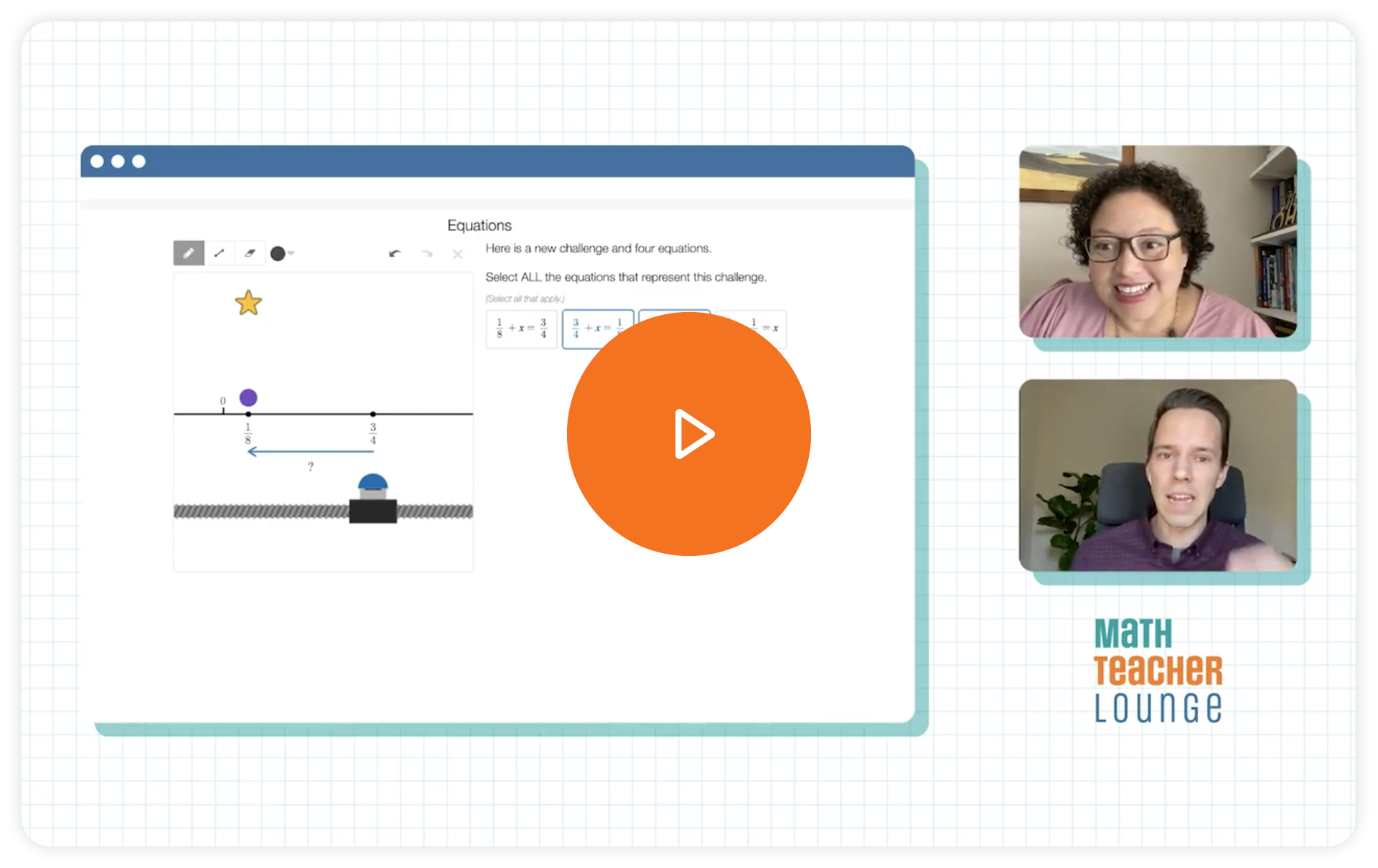
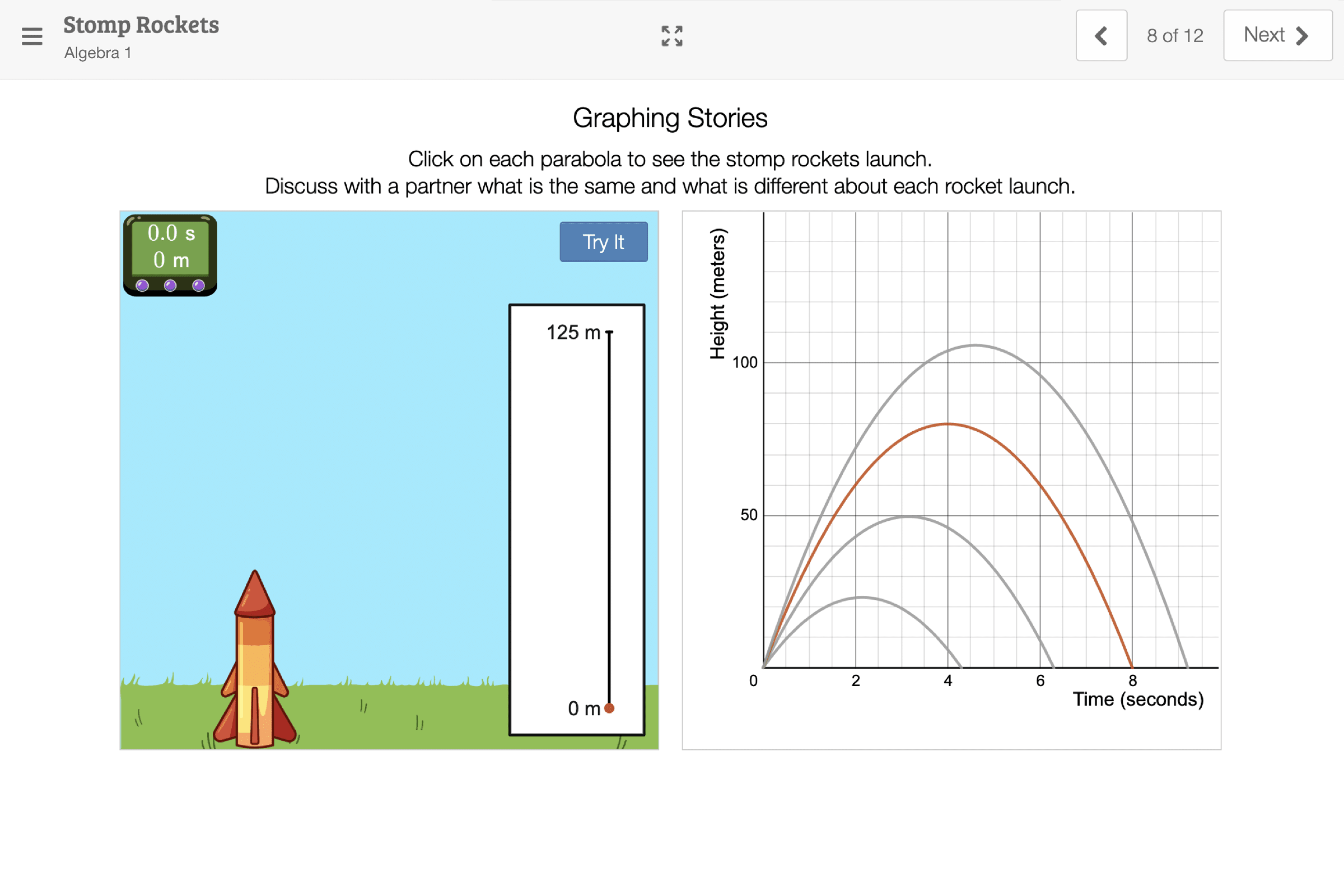
Assessments
Credible. Actionable. Timely. The assessment system for each Amplify Science unit is designed to provide teachers with actionable diagnostic information about student progress toward the learning goals for the unit. Assessment of unit learning goals is grounded in the Unit Progress Build (PB), which describes how student understanding is likely to develop and deepen through engagement with the unit’s learning experiences. The assessment system includes formal and informal opportunities for students to demonstrate understanding and for teachers to gather information throughout the unit – all while giving teachers flexibility in deciding what to score and what to simply review. Built largely around instructionally-embedded performances, these opportunities encompass a range of modalities that, as a system, attend to research on effective assessment strategies and the NRC Framework for K-12 Science Education.
The variety of assessment options for Amplify Science include:
- Pre-Unit Assessment (formative): discussion, modeling, and written explanations to gauge students knowledge.
- On-the-Fly Assessments (OtFA) (formative): each OtFA includes guidance on what to look for in student activity or work products, and offers suggestions on how to adjust instruction accordingly.
- End-of-Chapter Problem Context Explanations (formative): Three-dimensional performance tasks to support students’ consolidation of ideas encountered in each chapter and provide insight into students’ developing understanding.
- Self-Assessments (formative): One per chapter; brief opportunities for students to reflect on their own learning, ask questions, and reveal ongoing wonderings about unit content.
- Critical Juncture Assessment (CJ) (formative): Occurring at the end of each chapter similar in format to the Pre-Unit and End-of-Unit assessments.
- End-of-Unit Assessment (summative): discussion, modeling, and written explanations to gauge students’ knowledge and growth.
Hands-On and Print Materials (“Kits”)
There is a box of materials associate with every unit of Amplify Science, containing a variety of hands-on activities and print materials that are called for in the various lessons in the unit. Each box, commonly called a “kit,” is associated with a given unit, and each teacher should ideally have their own kit for each unit.
Hands-on brochures
*One blackline master Student Investigation Notebook is included in each unit kit, grades 3–5.
Within the kit there are two types of materials:
- Physical manipulatives
- Printed materials
The physical manipulatives are the hands-on items used in various lessons in the unit. For example, the Balancing Forces kit contains balloons, batteries, magnets, fasteners, rubber balls, and various other materials.
There are two types of physical manipulatives: consumables and nonconsumables. Nonconsumables are durable and, if cared for properly, can be used over the course of several years. Consumables are used up with each use and must be replenished.
There are also print materials in the kits, including:
- Key concepts: Teachers designate an area of the classroom wall to post “Key Concept” printed cards. These cards contain short sentences that explicitly identify an important idea or concept learned in the unit. By posting that card to the wall, the classroom has a visual anchor – a physical representation of “what we’ve learned so far.”
- Vocabulary wall: Like the Key Concepts, Vocabulary cards are provided in your unit’s kit. These, too, are posted to a designated area of the classroom wall, and more and more vocabulary cards are added to the wall as we progress through the unit.
- Unit and Chapter Questions: Printed cards with the unit question and individual chapter questions are also provided in the kit. These cards help students to remember exactly what we are investigating over the course of the chapter, and ultimately, over the course of the unit.
- Card Sets: Printed cards, specific to a unit, are in each kit (though not all units have Card Sets). Often, students are sorting these cards on their desks, ranking them, ordering them, etc. For example, in the Metabolism unit, students take “Evidence Cards,” each with a piece of evidence, and then rank and arrange the evidence cards from strong-> weak->irrelevant, thereby providing a visualization of their thinking and reasoning.
Preview Amplify Science: NYC
Start your view by simply selecting “Preview the Curriculum” and then selecting either Teacher or Student access. We recommend selecting Teacher access as you will also be able to see the student resources.
Looking for help reviewing the program? Reach out to a New York City Amplify Science curriculum expert.
Reading and Literacy Integration
Amplify Science units provide strategy-based literacy instruction that aims to develop students’ facility with reading, writing, and talking about science. Each unit provides many authentic opportunities for students to learn about and practice the ways of communicating and learning that characterize science as a discipline. The following are the Amplify Science Guiding Principles for Literacy:
- Students acquire literacy expertise through the pursuit of science knowledge and by engaging in scientific and engineering practices.
- Attention to discipline literacy instruction should begin as soon as students enter school and should continue throughout the grades.
- Participation in a disciplinary community is key to acquiring disciplinary expertise and literacy.
- Since the purpose of science is to better explain the natural world, argumentation and explanation are the central enterprises of science. Therefore, these practices are central foci of reading, writing, and talk in science.
Literacy instruction in the Amplify Science program utilizes a Gradual Release of Responsibility approach (Pearson and Gallagher 1983). In this approach, instruction begins with the teacher assuming primary responsibility for modeling strategy or skill and explicitly instruction how to use each strategy or skill. As instruction proceeds, the teacher offers as much support as needed so students can practice using the target strategy more independently. Over time, students take on more responsibility for using the strategy more independently. Depending on the goal, the path from teacher modeling to student independence will vary. Over the course of a unit, students may not achieve independence for every literacy goal, but they will move along the continuum toward flexible use of a wide range of reading, writing, and learning strategies that have been incorporated throughout the program.
Each Amplify Science Elementary Unit includes five books that students use to build an understanding of science ideas, practices, and crosscutting concepts. While the program does not take on responsibility for providing all literacy instruction required for students’ reading development (e.g., skill-based or fluency-oriented literacy instruction), it is designed to support vocabulary, language, and reading comprehension development.
Amplify Science provides students with a series of content-rich nonfiction and informational texts that are read for a variety of purposes throughout the unit. The five books in each unit include one book for approximately every five days of instruction and one reference book that students draw upon throughout the 22-lesson units (20 instructional lessons & 2 assessment days for pre/post). Students are encouraged to read books as independently as possible so they can apply the comprehension strategies they are learning in order to understand what they read. In each Amplify Science reading session, comprehension is supported at three stages: before, during, and after reading. At each stage, students engage in planned tasks that build an understanding of the key concepts and themes in a book. The teacher’s role is to scaffold comprehension and provide opportunities for practicing the strategies and skills that are being taught. At each stage, these include:
- Before-reading activities designed to help students activate their background knowledge, prepare to use particular comprehension strategies, and set a purpose for reading.
- During-reading activities intended to help students monitor their comprehension, make connections, and read and understand important science vocabulary in context.
- After reading activities intended to help students reflect on their learning and connect their reading to their firsthand science investigations.
Nonfiction and informational text. The Amplify Science program is designed to help students gain familiarity with the structures and functions of nonfiction and informational texts by extending students’ exposure to these texts in a rich learning environment. The program uses nonfiction and informational texts because it is an important component of content learning in school; it helps build knowledge of the natural and social world, and it provides students with a purposeful context for learning key concepts and vocabulary. Nonfiction and informational text are also engaging and motivating as it answers genuine questions and capitalizes on student interests and background knowledge. Reading a wide variety of texts have been shown to affect students’ interest in reading overall (Duke 2004). Nonfiction and informational genres are also the genres students are most likely to encounter when reading and writing inside and outside of school. For adults, nonfiction and informational texts are read more often than other genres (Duel 2004; Smith 2000). In order for students to become successful information gatherers as adults, we need to provide opportunities for them to engage with nonfiction and informational texts in school.
Reading comprehension. Reading instruction in Amplify Science is designed to promote students’ capacity to read for meaning. Guided instruction and a supportive classroom context help students learn to employ powerful comprehension strategies that are critical for gaining a better understanding of text and becoming skilled readers (Duke and Pearson 2002). Comprehension strategies included in the Amplify Science program include posing questions, making inferences, setting goals for reading, summarizing, synthesizing, and using text features. Across units, students are guided to use these strategies flexibly as they read and make sense of a wide range of nonfiction and informational texts. Students also gain critical experience with understanding texts and experiences in relation to one another as they make connections between the books they read and the science they do. These connections then extend their growing conceptual understanding. Reading instruction in Amplify Science also encourages students to reflect on the utility of comprehension strategies, including when, why, and how these strategies helped them. One important way students make connections is through sustained classroom discussion of text with their peers (Nystrand 1997). Students regularly discuss both content and comprehension use before, during, and after reading, learning more about both as they engage in discussions with their peers. The Amplify Science approach also draws on research that demonstrates the benefits of instructional coherence (connected reading, writing, listening, and talk), particularly in the content area of science (Romance and Vitale 2001; Cervetti et. al. 2007; The Directed Reading Model supports reading comprehension before, during, and after reading. Cervetti et. al. 2006). Reading comprehension is enhanced as students connect what they read to what they are investigating and learning in science. The Amplify Science student books provide many opportunities for students to practice their developing reading skills in context, engage in authentic discourse around text, make connections, and support their understandings with textual evidence.
Digital Simulations
Digital Sims are digital tools that serve as venues of exploration and means for collecting data and evidence, and present students with opportunities to make observations and manipulate variables of key scientific processes and mechanism. Sims allow students to explore scientific concepts that might otherwise be invisible or impossible to see with the naked eye. Much like real scientists do, students of Amplify Science will use these computer simulations to gain insight into processes that occur on the microscopic scale, or alternatively, to speed up processes that might otherwise take thousands or millions of years to observe.
In grades 4–8, Amplify Science offers a unique sim which students will use throughout the unit. And each time a sim appears in a lesson, there are clear instructions for both teachers and students on its use.
Digital simulation from Ecosystem Restoration unit
Spanish Resources
Amplify Science is committed to providing support to meet the needs of all learners, including multiple access points for Spanish-speaking students. Developed in conjunction with Spanish-language experts and classroom teachers, multiple components are available in Spanish across the Amplify Science curriculum.
Spanish-language materials include:
| Component | Teacher/student |
|---|---|
| Student Investigation Notebooks (K–8) | Student |
| Science articles (6–8) | Student |
| Student Books (K–5) | Student |
| Video transcripts (6–8) | Student |
| Digital simulation translation key (6–8) | Student |
| Printed classroom materials (K–8) (Unit and chapter questions, key concepts, vocabulary cards, etc.) | Teacher and student |
| Copymasters (K–8) | Teacher |
| Assessments (K–8) | Teacher |
Supporting ELLs
English language learners (ELLs) bring a lifetime of background knowledge and experiences to everything they do. As they work to acquire a new language and new academic knowledge simultaneously, they may need specific linguistic support. In the instruction, the Differentiation Brief points out activities that could pose linguistic challenges for English learners or reduce their access to science content, and suggests supports and modifications accordingly.
The Lawrence Hall of Science authorship team believes that it is essential for students to develop both a deep understanding of science concepts and facility with disciplinary practices that are essential to the work of scientists and engineers. It is also important to recognize that in a single classroom, students have an array of learning needs and preferences. In particular, English language learners can benefit from learning opportunities designed to meet their needs from additional support then needed as they tackle the language and content demands of science.Five principles helped the Lawrence Hall of Science curriculum developers design instructional sequences to meet the goals of bolstering students who develop understanding of science content, decreasing language demands without diluting science content, and allowing students to more fully engage in disciplinary literacy practices. The five principles are based on research on best practices in the field and have been reviewed by Amplify Science ELL advisors.
- Leverage and build students’ informational background knowledge.
- Capitalize on students’ knowledge of language.
- Provide explicit instruction about the language of science.
- Provide opportunities for scaffolded practice.
- Provide multimodal means of accessing science content and expressing science knowledge.
Reading and literacy integration
Amplify Science is a new phenomena-based science curriculum for grades K–8.
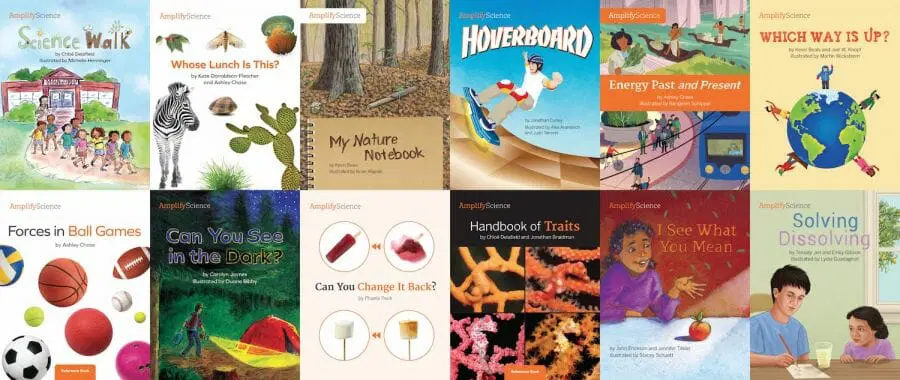
Reading and literacy integration
Amplify Science units provide strategy-based literacy instruction that aims to develop students’ facility with reading, writing, and talking about science. Each unit provides many authentic opportunities for students to learn about and practice the ways of communicating and learning that characterize science as a discipline. The following are the Amplify Science Guiding Principles for Literacy:
- Students acquire literacy expertise through the pursuit of science knowledge and by engaging in scientific and engineering practices.
- Attention to discipline literacy instruction should begin as soon as students enter school and should continue throughout the grades.
- Participation in a disciplinary community is key to acquiring disciplinary expertise and literacy.
- Since the purpose of science is to better explain the natural world, argumentation and explanation are the central enterprises of science. Therefore, these practices are central foci of reading, writing, and talk in science.
Literacy instruction in the Amplify Science program utilizes a Gradual Release of Responsibility approach (Pearson and Gallagher 1983). In this approach, instruction begins with the teacher assuming primary responsibility for modeling strategy or skill and explicitly instruction how to use each strategy or skill. As instruction proceeds, the teacher offers as much support as needed so students can practice using the target strategy more independently. Over time, students take on more responsibility for using the strategy more independently. Depending on the goal, the path from teacher modeling to student independence will vary. Over the course of a unit, students may not achieve independence for every literacy goal, but they will move along the continuum toward flexible use of a wide range of reading, writing, and learning strategies that have been incorporated throughout the program.
Each Amplify Science Elementary Unit includes five books that students use to build an understanding of science ideas, practices, and crosscutting concepts. While the program does not take on responsibility for providing all literacy instruction required for students’ reading development (e.g., skill-based or fluency-oriented literacy instruction), it is designed to support vocabulary, language, and reading comprehension development.
Amplify Science provides students with a series of content-rich nonfiction and informational texts that are read for a variety of purposes throughout the unit. The five books in each unit include one book for approximately every five days of instruction and one reference book that students draw upon throughout the 22-lesson units (20 instructional lessons & 2 assessment days for pre/post). Students are encouraged to read books as independently as possible so they can apply the comprehension strategies they are learning in order to understand what they read. In each Amplify Science reading session, comprehension is supported at three stages: before, during, and after reading. At each stage, students engage in planned tasks that build an understanding of the key concepts and themes in a book. The teacher’s role is to scaffold comprehension and provide opportunities for practicing the strategies and skills that are being taught. At each stage, these include:
- Before-reading activities designed to help students activate their background knowledge, prepare to use particular comprehension strategies, and set a purpose for reading.
- During-reading activities intended to help students monitor their comprehension, make connections, and read and understand important science vocabulary in context.
- After reading activities intended to help students reflect on their learning and connect their reading to their firsthand science investigations.
Nonfiction and informational text. The Amplify Science program is designed to help students gain familiarity with the structures and functions of nonfiction and informational texts by extending students’ exposure to these texts in a rich learning environment. The program uses nonfiction and informational texts because it is an important component of content learning in school; it helps build knowledge of the natural and social world, and it provides students with a purposeful context for learning key concepts and vocabulary. Nonfiction and informational text are also engaging and motivating as it answers genuine questions and capitalizes on student interests and background knowledge. Reading a wide variety of texts have been shown to affect students’ interest in reading overall (Duke 2004). Nonfiction and informational genres are also the genres students are most likely to encounter when reading and writing inside and outside of school. For adults, nonfiction and informational texts are read more often than other genres (Duel 2004; Smith 2000). In order for students to become successful information gatherers as adults, we need to provide opportunities for them to engage with nonfiction and informational texts in school.
Reading comprehension. Reading instruction in Amplify Science is designed to promote students’ capacity to read for meaning. Guided instruction and a supportive classroom context help students learn to employ powerful comprehension strategies that are critical for gaining a better understanding of text and becoming skilled readers (Duke and Pearson 2002). Comprehension strategies included in the Amplify Science program include posing questions, making inferences, setting goals for reading, summarizing, synthesizing, and using text features. Across units, students are guided to use these strategies flexibly as they read and make sense of a wide range of nonfiction and informational texts. Students also gain critical experience with understanding texts and experiences in relation to one another as they make connections between the books they read and the science they do. These connections then extend their growing conceptual understanding. Reading instruction in Amplify Science also encourages students to reflect on the utility of comprehension strategies, including when, why, and how these strategies helped them. One important way students make connections is through sustained classroom discussion of text with their peers (Nystrand 1997). Students regularly discuss both content and comprehension use before, during, and after reading, learning more about both as they engage in discussions with their peers. The Amplify Science approach also draws on research that demonstrates the benefits of instructional coherence (connected reading, writing, listening, and talk), particularly in the content area of science (Romance and Vitale 2001; Cervetti et. al. 2007; The Directed Reading Model supports reading comprehension before, during, and after reading. Cervetti et. al. 2006). Reading comprehension is enhanced as students connect what they read to what they are investigating and learning in science. The Amplify Science student books provide many opportunities for students to practice their developing reading skills in context, engage in authentic discourse around text, make connections, and support their understandings with textual evidence.
Amplify Science units provide strategy-based literacy instruction that aims to develop students’ facility with reading, writing, and talking about science. Each unit provides many authentic opportunities for students to learn about and practice the ways of communicating and learning that characterize science as a discipline. The following are the Amplify Science Guiding Principles for Literacy:
- Students acquire literacy expertise through the pursuit of science knowledge and by engaging in scientific and engineering practices.
- Attention to discipline literacy instruction should begin as soon as students enter school and should continue throughout the grades.
- Participation in a disciplinary community is key to acquiring disciplinary expertise and literacy.
- Since the purpose of science is to better explain the natural world, argumentation and explanation are the central enterprises of science. Therefore, these practices are central foci of reading, writing, and talk in science.
Literacy instruction in the Amplify Science program utilizes a Gradual Release of Responsibility approach (Pearson and Gallagher 1983). In this approach, instruction begins with the teacher assuming primary responsibility for modeling strategy or skill and explicitly instruction how to use each strategy or skill. As instruction proceeds, the teacher offers as much support as needed so students can practice using the target strategy more independently. Over time, students take on more responsibility for using the strategy more independently. Depending on the goal, the path from teacher modeling to student independence will vary. Over the course of a unit, students may not achieve independence for every literacy goal, but they will move along the continuum toward flexible use of a wide range of reading, writing, and learning strategies that have been incorporated throughout the program.
Each Amplify Science Elementary Unit includes five books that students use to build an understanding of science ideas, practices, and crosscutting concepts. While the program does not take on responsibility for providing all literacy instruction required for students’ reading development (e.g., skill-based or fluency-oriented literacy instruction), it is designed to support vocabulary, language, and reading comprehension development.
Amplify Science provides students with a series of content-rich nonfiction and informational texts that are read for a variety of purposes throughout the unit. The five books in each unit include one book for approximately every five days of instruction and one reference book that students draw upon throughout the 22-lesson units (20 instructional lessons & 2 assessment days for pre/post). Students are encouraged to read books as independently as possible so they can apply the comprehension strategies they are learning in order to understand what they read. In each Amplify Science reading session, comprehension is supported at three stages: before, during, and after reading. At each stage, students engage in planned tasks that build an understanding of the key concepts and themes in a book. The teacher’s role is to scaffold comprehension and provide opportunities for practicing the strategies and skills that are being taught. At each stage, these include:
- Before-reading activities designed to help students activate their background knowledge, prepare to use particular comprehension strategies, and set a purpose for reading.
- During-reading activities intended to help students monitor their comprehension, make connections, and read and understand important science vocabulary in context.
- After reading activities intended to help students reflect on their learning and connect their reading to their firsthand science investigations.
Nonfiction and informational text. The Amplify Science program is designed to help students gain familiarity with the structures and functions of nonfiction and informational texts by extending students’ exposure to these texts in a rich learning environment. The program uses nonfiction and informational texts because it is an important component of content learning in school; it helps build knowledge of the natural and social world, and it provides students with a purposeful context for learning key concepts and vocabulary. Nonfiction and informational text are also engaging and motivating as it answers genuine questions and capitalizes on student interests and background knowledge. Reading a wide variety of texts have been shown to affect students’ interest in reading overall (Duke 2004). Nonfiction and informational genres are also the genres students are most likely to encounter when reading and writing inside and outside of school. For adults, nonfiction and informational texts are read more often than other genres (Duel 2004; Smith 2000). In order for students to become successful information gatherers as adults, we need to provide opportunities for them to engage with nonfiction and informational texts in school.
Reading comprehension. Reading instruction in Amplify Science is designed to promote students’ capacity to read for meaning. Guided instruction and a supportive classroom context help students learn to employ powerful comprehension strategies that are critical for gaining a better understanding of text and becoming skilled readers (Duke and Pearson 2002). Comprehension strategies included in the Amplify Science program include posing questions, making inferences, setting goals for reading, summarizing, synthesizing, and using text features. Across units, students are guided to use these strategies flexibly as they read and make sense of a wide range of nonfiction and informational texts. Students also gain critical experience with understanding texts and experiences in relation to one another as they make connections between the books they read and the science they do. These connections then extend their growing conceptual understanding. Reading instruction in Amplify Science also encourages students to reflect on the utility of comprehension strategies, including when, why, and how these strategies helped them. One important way students make connections is through sustained classroom discussion of text with their peers (Nystrand 1997). Students regularly discuss both content and comprehension use before, during, and after reading, learning more about both as they engage in discussions with their peers. The Amplify Science approach also draws on research that demonstrates the benefits of instructional coherence (connected reading, writing, listening, and talk), particularly in the content area of science (Romance and Vitale 2001; Cervetti et. al. 2007; The Directed Reading Model supports reading comprehension before, during, and after reading. Cervetti et. al. 2006). Reading comprehension is enhanced as students connect what they read to what they are investigating and learning in science. The Amplify Science student books provide many opportunities for students to practice their developing reading skills in context, engage in authentic discourse around text, make connections, and support their understandings with textual evidence.
Education technology pioneer Amplify raises significant funding to help expand its K-12 portfolio
(BROOKLYN, NY – May 23, 2023) Amplify, a publisher of next-generation curriculum and assessment programs, announced today it has raised a Series C funding round led by Cox Enterprises, a family-owned, Atlanta-based company committed to connectivity, mobility, and sustainable innovation. Cox joins Amplify’s current investors, including Emerson Collective, Learn Capital, and A-Street Ventures.
The funding will support Amplify in continuing to expand the breadth and depth of its K-12 product portfolio, which distinctly combines high-quality, evidence-based instruction with digital-forward delivery to help teachers celebrate and extend their students’ thinking, knowledge, and skills. Already a market leader in literacy and science, Amplify is launching a suite of math programs that will reshape mathematics education by bringing together the leading open-source curriculum (IM K-12 Math™ authored by Illustrative Mathematics®) with the most-beloved teaching and learning platform in math education, Desmos Classroom. The goal is to help every student learn – and learn to love – mathematics.
“Amplify has experienced significant growth and is now proud to serve close to a third of U.S. K-8 students today with programs that uniquely blend the best K-12 content and pedagogy with digital tools that help teachers reach all students and drive measurable academic gains,” said Larry Berger, chief executive officer of Amplify. “This investment will help us grow while ensuring that we elevate K-12 instruction and have as much impact as we can.”
Amplify currently delivers its products and services to over half a million teachers in the United States. Its existing core programs have earned all-green scores on EdReports, a third-party curriculum evaluation site. Amplify’s digital supplemental program, Boost Reading, continues to help schools drive gains in early reading, as does its gold-standard early reading assessment, mCLASS®. By meeting the demand for evidence-based, digital-forward programs, Amplify’s bookings have grown at over a 50 percent compound annual growth rate over the last five years (2017-2022). Amplify also continues to see measurable gains in student achievement when districts and schools implement its programs with some measure of fidelity, e.g., recent studies on Amplify Science, Boost Reading, and Desmos Math 6-8.
“At Cox, we are committed to investing in companies that will reshape their industries over the next generation, bringing positive impact to communities across the country and around the world,” said Mark Lewis, vice president of strategy and investments at Cox Enterprises. “We are excited to help Amplify continue to scale its product offerings and footprint.”
About Amplify
A pioneer in K–12 education since 2000, Amplify is leading the way in next-generation curriculum and assessment. Our captivating core and supplemental programs in literacy, math, and science engage all students in rigorous learning and inspire them to think deeply, creatively, and for themselves. Our formative assessment products turn data into practical instructional support to help all students build a strong foundation in early reading and math. All of our programs provide teachers with powerful tools that help them understand and respond to the needs of every student. Today, Amplify reaches more than 10 million students in all 50 states. To learn more, visit https://amplify.com.
About Cox Enterprises
Cox Enterprises is dedicated to empowering people to build a better future for the next generation. Cox is a leader in the broadband, automotive and media industries, while strategically investing in emerging technologies driving the future of cleantech, health care, and public sector services. Its major operating subsidiaries are Cox Communications and Cox Automotive, which includes brands like Autotrader and Kelley Blue Book. Headquartered in Atlanta, Georgia, Cox is a global company with a proud 125-year history. To learn more about Cox and its commitment to its people, planet and communities, visit coxenterprises.com.
Media contact:
Kristine Frech
Vice President, Corporate Communications
kfrech@amplify.com
Knowledge and vocabulary: Two sides of the same coin, with Gina Cervetti



Meet Our Guest(s):

Gina Cervetti
Gina Cervetti is a professor of education in the Marsal Family School of Education at University of Michigan. She studies and teaches classes related to elementary reading and language instruction and curriculum development. Gina earned her doctorate in educational psychology at the Michigan State University and spent several years at University of California, Berkeley, as a designer and researcher on projects related to the integration of literacy and science instruction. That work inspired an interest in the significance of knowledge-enriching and participatory contexts, like that of science, in literacy development. She has written about this work in a number of journal articles and a book with Jacqueline Barber, titled, No More Science Kits or Texts in Isolation: Teaching Science and Literacy Together.
Meet our host, Susan Lambert
Susan Lambert is the Chief Academic Officer of Elementary Humanities at Amplify, and the host of Science of Reading: The Podcast. Her career has been focused on creating high-quality learning environments using evidence-based practices. Susan is a mom of four, a grandma of four, a world traveler, and a collector of stories.
As the host of Science of Reading: The Podcast, Susan explores the increasing body of scientific research around how reading is best taught. As a former classroom teacher, administrator, and curriculum developer, Susan is dedicated to turning theory into best practices that educators can put right to use in the classroom, and to showcasing national models of reading instruction excellence.

Quotes
“Above all other things in education, literacy is a gateway to so many of the things that are essential for human flourishing and human choice.”
“Knowledge is so complex that it actually offers a number of different benefits. And different kinds of knowledge actually benefit literacy development in different ways.”
“It makes sense to capitalize on the knowledge that students bring, both as a platform for their literacy learning, [and] also to further develop it so that they're also understanding the context of their lives and their communities and their families.”